
How to Export iTunes Playlist in 3 Effective Methods
TL;DR:
There are several ways to export an iTunes playlist, whether you want to save it with its music information, convert it to another playlist format, or move the songs to an iPhone/iPad.
- Export with iTunes: Open the playlist, go to File > Library > Export Playlist, choose a save location, and save the playlist; copy the related music files separately if you want to keep the songs with it.
- Export to XML, TXT, or M3U: Use iTunes' "Export Playlist" option for XML, then convert or process the exported playlist as TXT or M3U when a different format is required.
- Transfer to iPhone/iPad: Connect your iOS device to the computer, use iOS Transfer to access the iTunes library, select the desired playlist or songs, and click "Export to Device" to transfer them without traditional iTunes syncing.
An iTunes playlist can take a lot of time to put together, so losing it or having to rebuild it somewhere else can be frustrating. Luckily, you don't have to start from scratch. iTunes has a built-in way to export playlists, while other methods can help you save them in different formats or move the songs to an iPhone or iPad. Below, we'll look at a few easy ways to export iTunes playlists.
Part 1: Export iTunes Playlist with Music Files via iTunes
iTunes provides a built-in option for exporting playlists, so you don't need any third-party software for the basic process. Before getting started, note that exporting a playlist saves its playlist information rather than creating copies of the actual songs. If you want to keep the music files as well, you'll need to copy them separately.
- Launch iTunes on your computer and open your music library.
- Click "Playlists" to display the playlists you've created.
- Find the playlist you want to export and select it from the left sidebar.
- Click "File" in the menu bar and go to "Library" > "Export Playlist".
- Choose a destination folder and enter a name for the exported playlist.
- Click "Save" to complete the export.
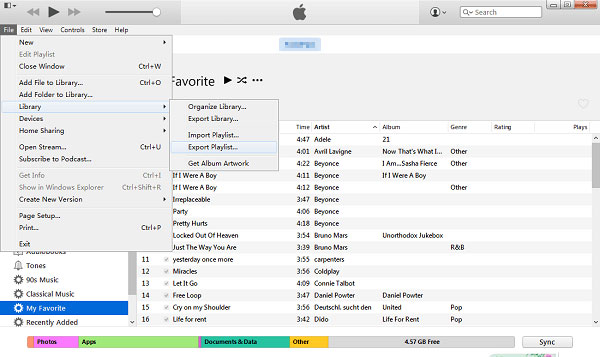
The playlist will be saved to the selected location. The exported playlist contains information about the songs, such as their names and locations, but it does not automatically copy the corresponding audio files. If you plan to move the playlist to another computer, make sure the music files are transferred as well. (How to Transfer Playlist from iPhone to iPhone?)
Part 2: How to Export Playlists from iTunes to XML, TXT, or M3U
Different playlist formats serve different purposes. XML is useful when you want to preserve playlist information for use with iTunes or compatible music software, while TXT provides a simple list of the songs in a playlist. M3U, on the other hand, is widely supported by media players and can be useful when moving a playlist between different applications.
However, iTunes does not provide direct export options for all three formats. Its built-in "Export Playlist..." feature primarily supports XML, while TXT and M3U may require an additional conversion step.
Export an iTunes Playlist to XML
XML is the easiest format to create directly in iTunes. It can preserve playlist information, including song names, artists, albums, and file locations.
- Open iTunes and select "Playlists".
- Choose the playlist you want to export.
- Click "File" > "Library" > "Export Playlist".
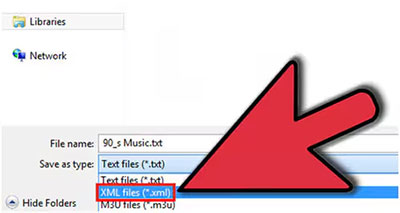
- In the save window, select "XML" from the available format options.
- Choose a destination, then click "Save".
The selected playlist will be saved as an XML file on your computer. (How to Copy Music from iTunes to iPhone?)
Export an iTunes Playlist to TXT
If you only need a readable list of the songs rather than playlist metadata, TXT can be more convenient. iTunes does not normally offer TXT as a direct playlist export format, so you may need to use a compatible playlist-management or conversion tool.
A typical workflow is to first export the playlist from iTunes, then convert or extract the relevant song information into a TXT file. The resulting text file can be opened with common text editors and is easy to share or print.
Export an iTunes Playlist to M3U
M3U is a common playlist format supported by many music players. Unlike a simple text list, an M3U file can contain references to the locations of audio files, allowing compatible players to locate and play the songs.
Since iTunes does not normally provide M3U as a direct "Export Playlist" format, you'll need an M3U-compatible playlist converter or another music-management application.
In general, you can export the playlist information from iTunes first and then convert it to M3U using a suitable tool. Make sure that the music files remain in their original locations or are transferred together with the M3U file; otherwise, the playlist may not be able to locate the songs.
Which iTunes Playlist Format Should You Choose?
The best format depends on what you plan to do with the exported playlist:
- XML: Preserving playlist information and transferring it between compatible Apple/music applications.
- TXT: Creating a simple, readable list of songs.
- M3U: Using playlists with compatible media players and music applications.
If you simply want to back up or exchange playlist information, XML is usually the most straightforward choice because iTunes supports it natively. If your goal is to use the playlist with other media players, M3U may be more practical.
Read Also:
Part 3: Export iTunes Playlists to iPhone/iPad
If you want to move an iTunes playlist to your iPhone or iPad without going through the usual syncing process, iOS Transfer offers a convenient alternative. This iOS data transfer tool can connect your computer, iTunes library, and iPhone/iPad, allowing you to browse iTunes content and selectively transfer songs or playlists to your iOS device. Unlike traditional syncing, you can choose exactly what you want to move instead of replacing the existing music collection on your device.


How to Export an iTunes Playlist to iPhone/iPad with iOS Transfer:
Step 1: Download and install iOS Transfer on your Windows PC or Mac, then open the program. Use a USB cable to connect the iOS device to your computer. Once detected, its information will appear in the program.
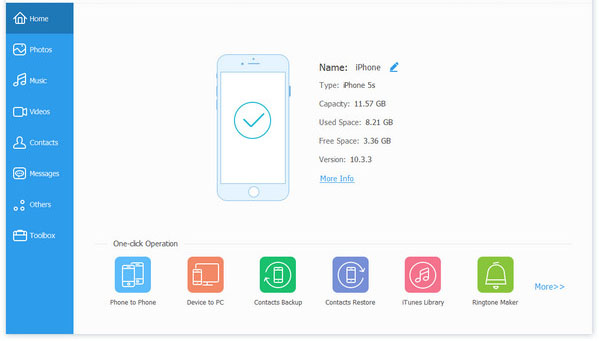
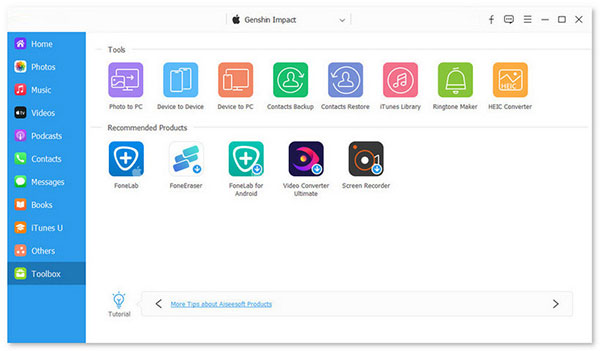
Step 2: From the left-hand panel, go to "Toolbox" and select "iTunes Library" to access the music and playlists stored in iTunes.
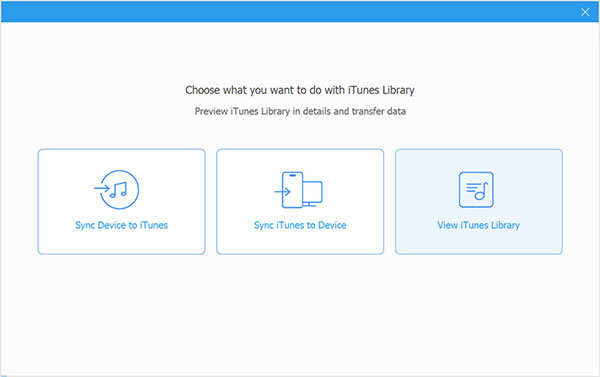
Step 3: Choose the playlist you want to transfer. Select "View iTunes Library", then open "Music" to browse your iTunes content. Find the playlist you want and select the songs you want to move. FoneTrans allows you to selectively choose individual music files or playlists.
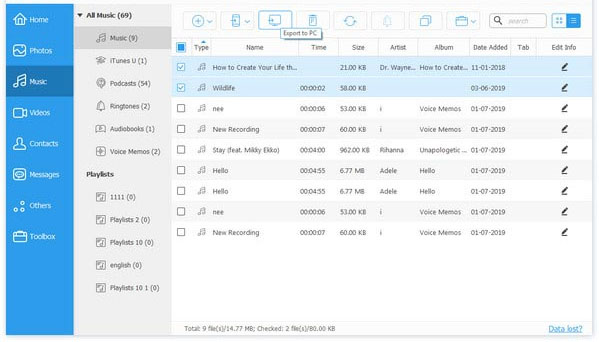
Step 4: Click "Export to Device" and select your connected iPhone or iPad as the destination. FoneTrans will then transfer the selected music to the device.
FAQs About Exporting iTunes Playlist
Q1. Where does iTunes save an exported playlist?
By default, the exported playlist is saved to the location you select in the Save window. You can choose any folder on your computer before clicking "Save."
Q2. Can I open an exported iTunes playlist on another computer?
Yes. You can move the exported playlist file to another computer, but the referenced music files must also be accessible there for the playlist to work properly.
Q3. Will exporting an iTunes playlist delete it from my library?
No. Exporting creates a separate playlist file and does not remove or modify the original playlist in your iTunes library.
Q4. Can I edit an exported iTunes playlist?
It depends on the format. XML and M3U files can be edited with compatible applications or text editors, although changing their contents incorrectly may cause playback or import problems. (Edit iPhone Playlist with or Without iTunes)
Q5. Why are some songs missing after I export an iTunes playlist?
This usually happens when the original music files have been moved, renamed, deleted, or are stored on a disconnected drive. The playlist may still contain references to those files, but the player cannot locate them.
Words in the End
That's it. If you only need to save a playlist for later use, iTunes' built-in export feature is usually enough. If you need a different format or want the playlist on your iPhone or iPad, you'll need a slightly different approach. The key is to choose the method that matches what you want to do with the playlist next, rather than simply exporting it and hoping everything comes along with it.
Related Articles:
How to Transfer Music from iPhone to iTunes [5 Proven Ways]
[5 Options] How to Transfer Music from iTunes to Android