
How to Enter, Exit & Fix iPhone Recovery Mode Problems: Comprehensive Guide
TL;DR:
You can fix most iPhone Recovery Mode problems by learning when to use this mode, entering it correctly, exiting it with a force restart, or repairing system issues with professional tools when normal methods fail.
- iPhone Recovery Mode is a special startup state that lets Finder or iTunes update or restore iOS when your device has serious software problems.
- You may need Recovery Mode for issues like an iPhone stuck on the Apple logo, failed iOS updates, restore errors, disabled devices, or connection problems with Finder/iTunes.
- To enter Recovery Mode, connect your iPhone to a computer, open Finder/iTunes, then press the correct button combination based on your model until the Recovery Mode screen appears.
- To exit Recovery Mode, perform a force restart: press Volume Up, Volume Down, and hold the Side button on newer iPhones until the Apple logo appears.
- If your iPhone remains stuck in Recovery Mode, try updating through Finder/iTunes or use iOS System Recovery to repair system issues without restoring and losing data.
iPhone Recovery Mode is a useful solution when your device cannot start normally or encounters serious system problems. However, many users are unsure what Recovery Mode actually does, when they should use it, or how to get their iPhone back to normal afterward. Whether your iPhone is stuck on the Apple logo, fails during an update, or cannot be recognized by a computer, Recovery Mode may help. In this guide, we will explain how it works, how to enter and exit it on different iPhone models, and how to fix common Recovery Mode issues.
- Part 1: What Is iPhone Recovery Mode and How Does It Work?
- Part 2: When Do You Need to Put an iPhone in Recovery Mode?
- Part 3: How to Put an iPhone into Recovery Mode?
- Part 4: How to Get an iPhone Out of Recovery Mode?
- Part 5: How to Fix an iPhone Stuck in Recovery Mode?
- FAQs About iPhone Recovery Mode
Part 1: What Is iPhone Recovery Mode and How Does It Work?
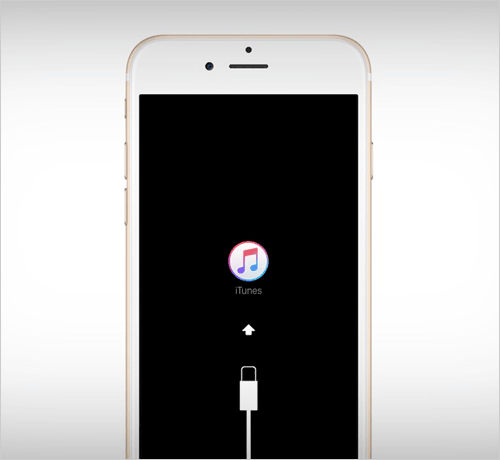
iPhone Recovery Mode is a special startup state provided by Apple to help users troubleshoot and restore an iPhone when the device cannot work normally. After entering this mode, your iPhone can communicate with Finder on Mac or iTunes on Windows/older macOS versions, allowing you to update iOS or reinstall the system.
Unlike the normal startup process, Recovery Mode loads only the essential system environment needed for your computer to detect and communicate with the iPhone. It does not repair hardware problems or recover deleted files, but it can help resolve certain software-related issues by updating or restoring the operating system.
When your iPhone enters Recovery Mode, Finder or iTunes usually provides two options:
- Update: Reinstalls iOS while trying to keep your personal data.
- Restore: Erases the device and installs the latest iOS version.
Understanding how Recovery Mode works can help you choose the right solution when your iPhone encounters serious system problems.
Also click to learn:
Part 2: When Do You Need to Put an iPhone in Recovery Mode?
You usually do not need Recovery Mode for everyday iPhone use. However, it becomes useful when normal troubleshooting methods, such as restarting the device or changing settings, cannot solve serious system problems.
You may need to put your iPhone into Recovery Mode in the following situations:
- Your iPhone is stuck on the Apple logo: If your iPhone keeps showing the Apple logo and never reaches the Home Screen, Recovery Mode can help reinstall iOS and bring the device back to normal.
- An iOS update or restore fails: Sometimes an update gets interrupted because of connection problems, insufficient storage, or system errors. Recovery Mode provides another way to update or restore your iPhone.
- Your iPhone is disabled or unavailable: After entering the wrong passcode too many times, your iPhone may become locked. In this case, Recovery Mode can help erase and restore the device so you can use it again.
- Your iPhone cannot be detected by Finder or iTunes normally: If your computer fails to recognize your iPhone during a restore or update, putting the device into Recovery Mode may allow the connection to work properly.
- Your iPhone keeps restarting or has serious system errors: When your device repeatedly crashes, freezes, or cannot start normally, Recovery Mode can be a useful troubleshooting step before seeking other solutions.
Before using Recovery Mode, keep in mind that choosing the "Restore" option will erase all data on your iPhone. If possible, make sure you have a recent backup to avoid losing important photos, contacts, messages, and other files.
Part 3: How to Put an iPhone into Recovery Mode?
Putting an iPhone into Recovery Mode is not complicated, but the steps are slightly different depending on your iPhone model. Before starting, make sure you have a USB cable and a computer with the latest version of Finder (Mac running macOS Catalina or later) or iTunes (Windows or older macOS versions). Also, keep your iPhone connected to the computer throughout the process.
Follow the steps below to enter Recovery Mode on different iPhone models:
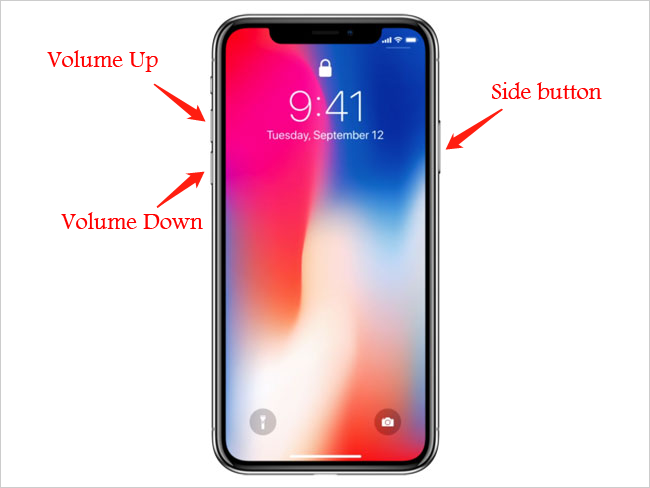
iPhone 8 and Later (Including iPhone 18 Series)
- Connect your iPhone to your computer using a USB cable and open Finder or iTunes.
- Quickly press and release the Volume Up button.
- Quickly press and release the Volume Down button.
- Press and hold the Side button until you see the Recovery Mode screen (a cable pointing to a computer icon). Do not release the button when you see the Apple logo; keep holding it until the Recovery Mode screen appears.
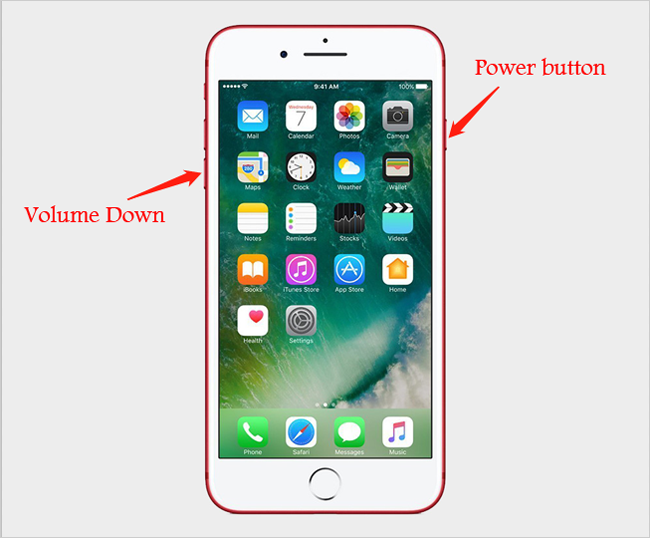
iPhone 7 and iPhone 7 Plus
- Connect your iPhone to your computer and launch Finder or iTunes.
- Press and hold the Volume Down button and the Side button at the same time.
- Keep holding both buttons until the Recovery Mode screen appears.
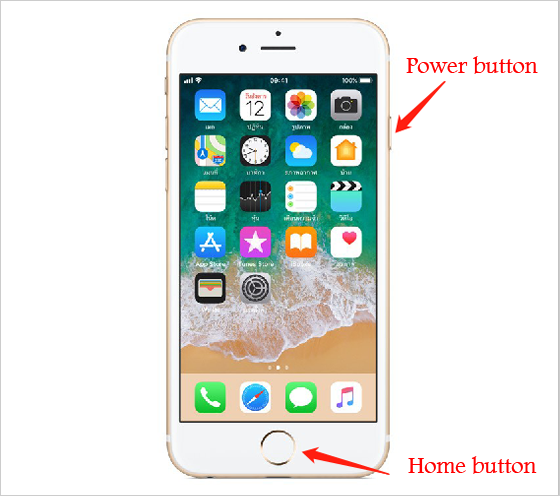
iPhone 6s and Earlier Models (Including iPhone SE 1st Generation)
- Connect your iPhone to your computer and open Finder or iTunes.
- Press and hold the Home button and the Side button (or Top button) at the same time.
- Continue holding the buttons until you see the Recovery Mode screen.
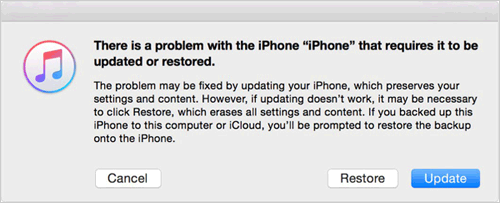
Once your iPhone enters Recovery Mode, Finder or iTunes will display a message asking whether you want to update or restore the device. You can first choose "Update" to reinstall iOS without erasing your data. If the update does not solve the problem, you may need to select "Restore" to reset your iPhone and install the latest iOS version.
You may also want to know:
Part 4: How to Get an iPhone Out of Recovery Mode?
If you have accidentally entered Recovery Mode or your iPhone has finished the update or restore process, you may want to exit Recovery Mode and return to normal use. In most cases, you can get your iPhone out of Recovery Mode by performing a force restart. The button combination depends on your iPhone model.
Follow the steps below to exit Recovery Mode on different iPhone models:
iPhone 8 and Later (Including iPhone 18 Series)
- Quickly press and release the Volume Up button.
- Quickly press and release the Volume Down button.
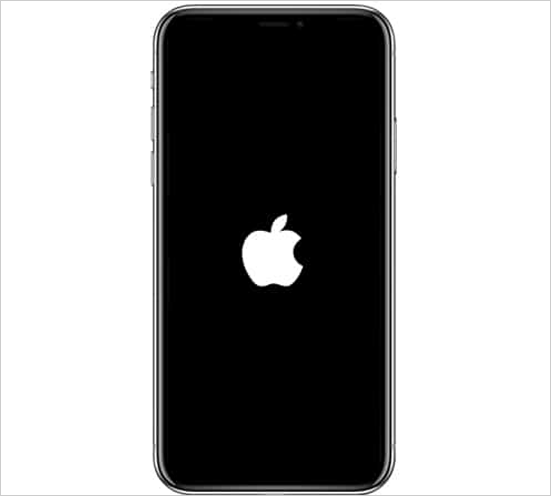
- Press and hold the Side button until the Apple logo appears on the screen.
- Release the button and wait for your iPhone to restart normally.
iPhone 7 and iPhone 7 Plus
- Press and hold the Volume Down button and the Side button at the same time.
- Keep holding both buttons until the Apple logo appears.
- Release the buttons and wait for your iPhone to boot up.
iPhone 6s and Earlier Models (Including iPhone SE 1st Generation)
- Press and hold the Home button and the Side button (or Top button) at the same time.
- Continue holding the buttons until the Apple logo appears.
- Release the buttons after your iPhone restarts.
You may also want to know:
Part 5: How to Fix an iPhone Stuck in Recovery Mode?
If your iPhone remains stuck in Recovery Mode and cannot return to normal use, don't worry. In many cases, you can fix the problem with some simple troubleshooting methods. Before restoring your iPhone, which may erase all existing data, try the solutions below to see whether your device can exit Recovery Mode without data loss.
Fix 1: Force Restart Your iPhone
A force restart is the easiest way to get an iPhone out of Recovery Mode. It does not erase any data and can fix temporary system glitches that prevent your iPhone from starting normally.
- For iPhone 8 and later: Quickly press and release the Volume Up button, quickly press and release the Volume Down button, then press and hold the Side button until the Apple logo appears.
- For iPhone 7/7 Plus: Press and hold the Volume Down button and Side button together until the Apple logo appears.
- For iPhone 6s and earlier: Press and hold the Home button and Side (or Top) button at the same time until the Apple logo appears.
After your iPhone restarts, check whether it can boot normally. If it goes back to the Recovery Mode screen, continue with the next solutions.
Fix 2: Check the USB Cable and Computer Connection
Sometimes, an unstable connection between your iPhone and computer can cause Recovery Mode problems. Try the following:
- Use an original or MFi-certified USB cable.
- Connect your iPhone directly to the computer instead of using a USB hub.
- Try another USB port or another computer if available.
- Make sure Finder or iTunes is updated to the latest version.
A stable connection can help Finder or iTunes recognize your iPhone correctly during the update or restore process.
Fix 3: Update Your iPhone Using Finder or iTunes
When your iPhone is stuck in Recovery Mode, Finder or iTunes may offer two options: "Update" and "Restore". You can try "Update" first because it reinstalls iOS without deleting your personal data.
- Connect your iPhone to your computer and open Finder or iTunes.
- When you see the message that your iPhone is in Recovery Mode, choose "Update".
- Wait for the system to download and reinstall iOS.
If the update completes successfully, your iPhone should restart normally. However, if the process fails or your iPhone remains stuck, try the next method.
Fix 4: Restore Your iPhone Through Recovery Mode
If none of the previous methods work, restoring your iPhone may solve serious system problems. However, this method will erase all data and settings from your device.
- Connect your iPhone to a computer and open Finder or iTunes.
- Select your iPhone when it appears.
- Choose "Restore" and follow the instructions to reinstall iOS.
Before using this method, make sure you have a recent backup. Otherwise, important data such as photos, contacts, messages, and apps may be permanently lost. (How to back up your iPhone?)
Fix 5: Fix iPhone Recovery Mode Issues without Data Loss with iOS System Recovery
If you don't want to restore your iPhone and lose important files, using an iOS system repair tool can be a better option. iOS System Recovery is designed to fix common iPhone system problems without requiring a factory reset. It can help repair issues such as iPhone stuck in Recovery Mode, Apple logo loops, black screens, update failures, and other iOS-related errors while keeping your personal data safe in many situations.
Key features of iOS System Recovery:
- Fix iPhone stuck in Recovery Mode and help the device return to normal operation.
- Repair various iOS system issues, including Apple logo stuck, boot loops, and frozen screens.
- Support many iPhone models and iOS versions, including the latest iOS devices.
- Provide a simple repair process without requiring complicated technical skills.
- Offer Standard Mode to fix system problems while keeping existing data.
- Provide Advanced Mode to deeply repair serious iOS issues when Standard Mode does not work.


How to fix an iPhone stuck in Recovery Mode with iOS System Recovery:
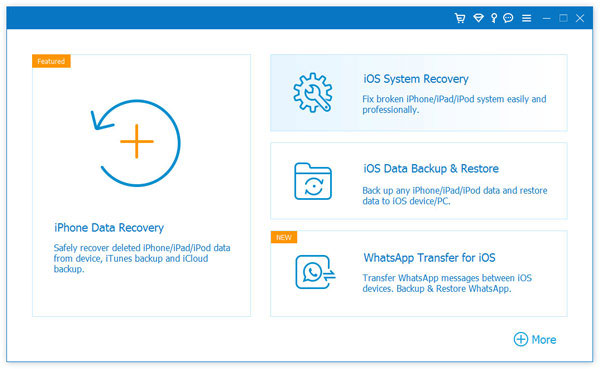
Step 1: Download and install iOS System Recovery on your computer, then connect your iPhone using a USB cable. Open the program, select "More Tools", and choose "iOS System Recovery" to enter the repair mode.
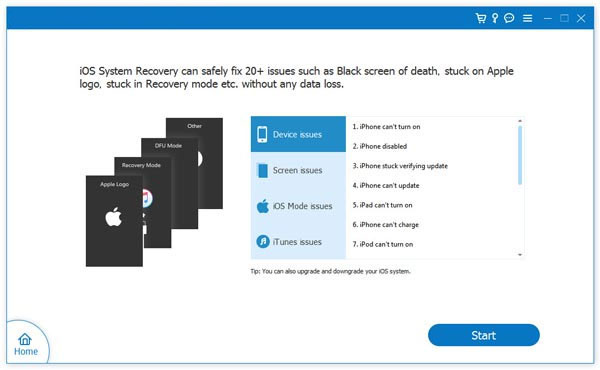
Step 2: The program will automatically identify possible system issues on your iPhone and display the detected problems on the screen. Click the "Start" button to continue.
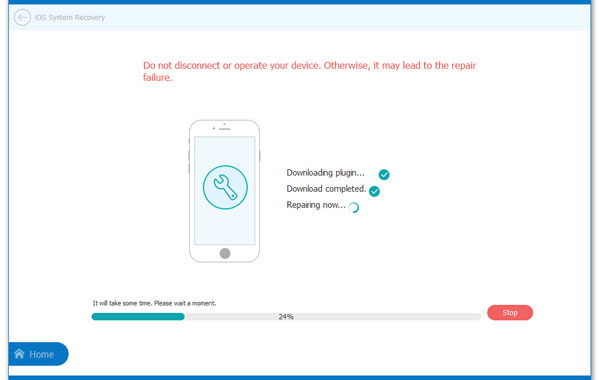
Step 3: Check whether your iPhone information shown on the screen is correct. If everything is accurate, click the "Repair" button to begin fixing the issue. If the information is incorrect, select the correct device details manually and then click "Repair" to start the repair process.
FAQs About iPhone Recovery Mode
Q1. Will iPhone Recovery Mode erase my data?
No. Simply putting your iPhone into Recovery Mode will not delete any data. However, if you choose the "Restore" option in Finder or iTunes after entering Recovery Mode, your iPhone will be erased and returned to factory settings. If your data is important, try the "Update" option first or use a system repair solution before restoring your device.
Q2. How long does an iPhone stay in Recovery Mode?
An iPhone does not automatically exit Recovery Mode after a certain period. It will remain in this mode until you manually restart it, update iOS, or restore the device through Finder or iTunes. If your iPhone stays on the Recovery Mode screen for a long time, it may indicate a system problem that needs further troubleshooting.
Q3. Why is my iPhone stuck in Recovery Mode?
Your iPhone may get stuck in Recovery Mode because of failed iOS updates, interrupted restore processes, software bugs, unstable USB connections, or damaged system files. You can try a force restart, check the cable connection, update iOS through Finder/iTunes, or use an iOS system repair tool if the issue continues.
Q4. Can I exit iPhone Recovery Mode without a computer?
Yes. In many cases, you can exit Recovery Mode without a computer by performing a force restart. However, if your iPhone keeps returning to the Recovery Mode screen or cannot boot normally, you may need to connect it to a computer for further repair.
Q5. What is the difference between iPhone Recovery Mode and DFU Mode?
Both Recovery Mode and DFU (Device Firmware Update) Mode are used to troubleshoot iPhone system problems, but they work differently. Recovery Mode allows your iPhone to communicate with Finder or iTunes to update or restore iOS, while DFU Mode provides a deeper restoration method that bypasses the normal iOS boot process.
Q6. Can Recovery Mode fix a disabled or unavailable iPhone?
Yes, Recovery Mode can help restore a disabled or unavailable iPhone by reinstalling iOS through Finder or iTunes. However, the restore process will erase all data on the device. If you want to avoid data loss, consider trying an iOS system repair tool before restoring your iPhone.
Wrapping Up
iPhone Recovery Mode can be a helpful way to troubleshoot many iOS-related problems, especially when normal restarting does not work. You can enter or exit this mode by following the correct steps for your iPhone model, or try Finder/iTunes when deeper repairs are needed. If your iPhone stays stuck in Recovery Mode, an iOS system repair tool can provide another option to fix the issue while avoiding unnecessary data loss.
Related Articles:
How to Get iPhone/iPad out of DFU Mode? [6 Easy Solutions]
How to Turn On/Off iPhone Safe Mode [2026 Guide]