
How to Fix iPhone/iPad Error 1/-1 During iTunes Update or Restore
TL;DR:
To fix iTunes error 1/-1, check your USB connection, update iTunes, rule out software conflicts, and try a different repair method if needed.
- Check for outdated iTunes, unstable USB connections, corrupted firmware, security software interference, or possible hardware problems.
- Disconnect unnecessary USB devices, restart your iPhone and computer, update iTunes, temporarily disable third-party security software, and use a signed IPSW file through "Shift/Option + Check for Update".
- Try another computer to rule out local system issues.
- Use iOS System Recovery in "Standard Mode" to address iOS system problems. If the error persists, seek professional hardware inspection.
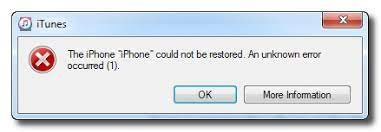
An iPhone update or restore should be a routine task, but iTunes error 1/-1 can bring the whole process to a halt. What's frustrating is that the error doesn't always tell you what's actually wrong. It could be something as simple as a USB connection problem or an outdated iTunes version, but hardware issues are also possible. Before assuming your iPhone needs repair, it's worth checking a few things first. This guide explains why the error occurs and walks you through practical ways to get your device working again.
- Part 1: Why Does iTunes Error 1/-1 Occur?
- Part 2: How to Fix iTunes Error 1/-1 on iPhone/iPad
- Method 1: Disconnect Other USB Devices and Check the USB Connection
- Method 2: Restart Your iPhone/iPad and Computer
- Method 3: Update iTunes to the Latest Version
- Method 4: Temporarily Disable Third-Party Security Software
- Method 5: Download the IPSW File Manually and Restore Your Device
- Method 6: Try Updating or Restoring Your Device on Another Computer
- Method 7: Repair iOS System Issues with a Professional Tool [Recommended]
- FAQs About iTunes Error 1/-1
Part 1: Why Does iTunes Error 1/-1 Occur?
iTunes error 1 or -1 usually appears when you try to update or restore an iPhone or iPad, preventing the process from completing. Several factors can trigger this issue, ranging from outdated iTunes software and unstable USB connections to corrupted firmware and hardware problems.
Here are some common reasons why you may encounter this error:
- Outdated iTunes: An outdated version of iTunes may have compatibility issues with your device or fail to complete the update or restore process.
- USB Connection Problems: A faulty USB cable, damaged port, or unstable connection can interrupt communication between your iPhone/iPad and computer.
- Antivirus or Firewall Interference: Some security programs may block iTunes from communicating with Apple servers or accessing the device properly.
- Corrupted iOS Firmware: If the downloaded IPSW file is incomplete, damaged, or incompatible with your device, iTunes may fail to install it.
- Hardware Issues: Error 1/-1 can also indicate a hardware problem. In particular, Error 1 is recognized by Apple as a possible sign of hardware trouble. Error -1 is also commonly associated with baseband-related issues, although the error code alone cannot confirm a specific component failure.
Part 2: How to Fix iTunes Error 1/-1 on iPhone/iPad
Method 1: Disconnect Other USB Devices and Check the USB Connection
A poor USB connection can interrupt communication between your iPhone/iPad and computer, causing iTunes error 1/-1 during an update or restore. To rule this out, disconnect unnecessary USB devices and check whether your cable or port is causing the problem.
- Disconnect your iPhone/iPad and remove other unnecessary USB devices from your computer.
- Check the USB cable for visible damage. If possible, use an original Apple cable or another certified cable.
- Connect your device directly to a USB port on your computer instead of using a USB hub or adapter.
- Try another USB port to see if the connection becomes stable.
- Reopen iTunes and try updating or restoring your device again.
Method 2: Restart Your iPhone/iPad and Computer
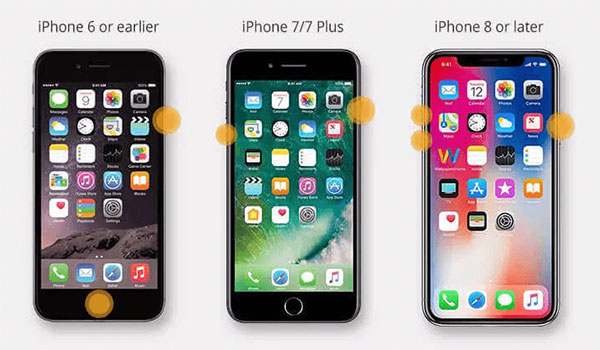
Sometimes, temporary system glitches can interfere with iTunes and prevent it from updating or restoring your device properly. A simple restart can clear these glitches and refresh the connection between your iPhone/iPad and computer.
- Disconnect your iPhone/iPad from the computer.
- Restart your iPhone or iPad. If you're not sure how, follow the steps for your device model in Apple's restart guide.
- Restart your computer and wait for it to boot up completely.
- Open iTunes again and connect your device using a reliable USB cable.
- Try the update or restore process again to see if iTunes error 1/-1 is gone.
Learn More:
Method 3: Update iTunes to the Latest Version
An outdated version of iTunes may have compatibility issues or bugs that prevent it from communicating properly with your iPhone/iPad. Updating iTunes can help fix these problems and improve the restore or update process.
- Open iTunes on your computer.
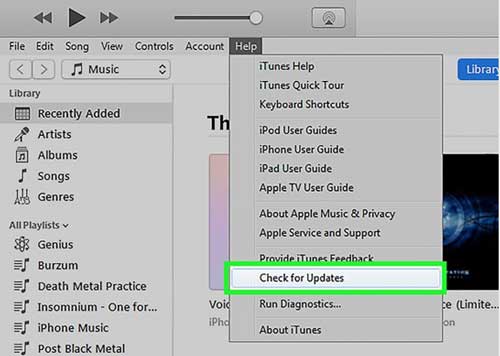
- If you're using iTunes on Windows, click "Help" in the menu bar and select "Check for Updates". If you installed iTunes through the Microsoft Store, open the Microsoft Store, go to "Library", and check for available updates.
- If an iTunes update is available, follow the on-screen instructions to install it.
- Restart your computer after the update is complete.
- Connect your iPhone/iPad again and try updating or restoring it through iTunes.
If you're using a Mac with macOS Catalina or later, iPhone and iPad updates and restores are handled through Finder rather than iTunes. Make sure macOS is up to date, then try again.
Method 4: Temporarily Disable Third-Party Security Software
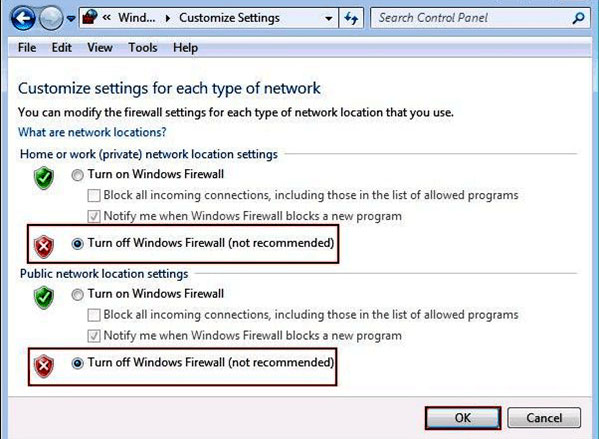
Sometimes, antivirus programs or firewall settings may mistakenly block iTunes from communicating with Apple servers or detecting your iPhone/iPad. To check whether security software is causing iTunes error 1/-1, you can temporarily disable it and try the restore or update again.
- Close iTunes and disconnect your iPhone/iPad from the computer.
- Open your third-party antivirus program and look for an option to temporarily disable real-time protection.
- If you use a third-party firewall, temporarily turn it off as well. You can also check whether iTunes is allowed through your computer's firewall.
- Reopen iTunes, connect your device, and try updating or restoring it again.
- If the error disappears, check your security software's settings and add iTunes to its allowed apps or exceptions list.
Remember to turn your antivirus and firewall protection back on after testing. If iTunes error 1/-1 remains, security software may not be the cause, so move on to the next method.
Method 5: Download the IPSW File Manually and Restore Your Device
If iTunes error 1/-1 is caused by a corrupted or incomplete firmware download, using a manually downloaded IPSW file may help. This file contains the iOS or iPadOS firmware needed to update your device. Although the process takes a few extra steps, it's worth trying before moving on to more advanced solutions.
- Visit IPSW.me, select your iPhone or iPad model, and download a firmware version that is still signed by Apple.
- Connect your device to your computer and open iTunes. If you're using macOS Catalina or later, open Finder instead.
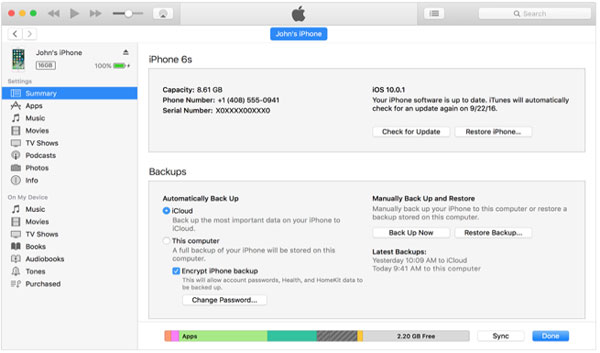
- Select your device and go to "Summary" in iTunes. In Finder, select your device under "Locations".
- Hold down the "Shift" key (Windows) or "Option" key (Mac) and click "Check for Update".
- When the file selection window appears, locate and select the downloaded IPSW file.
- Follow the on-screen instructions to install the firmware and check whether the error is resolved.
Method 6: Try Updating or Restoring Your Device on Another Computer
Sometimes, iTunes error 1/-1 is caused by problems with your computer, such as outdated or corrupted drivers, faulty USB ports, or software conflicts. Trying another computer can help rule out these issues and determine whether the problem is related to your current setup.
- Disconnect your iPhone/iPad from the current computer.
- Connect it to another computer using a reliable USB cable.
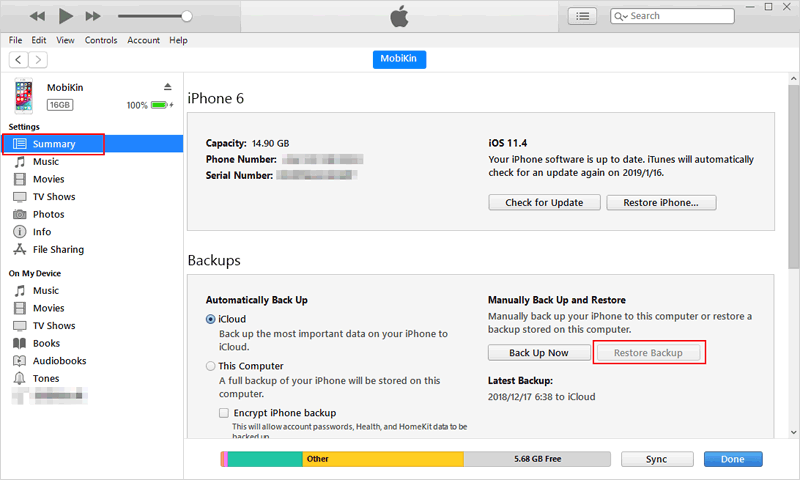
- Open iTunes on a Windows PC or a Mac running macOS Mojave or earlier. If you're using macOS Catalina or later, open Finder.
- Select your device and try updating or restoring it again.
- If your device isn't recognized or the process fails, put it into Recovery Mode and try again.
Method 7: Repair iOS System Issues with a Professional Tool
If none of the previous methods works, the problem may involve deeper iOS system issues that are difficult to fix through iTunes alone. In this case, you can try iOS System Recovery. It is designed to fix various iPhone and iPad system problems without requiring complicated manual operations. Its Standard Mode is intended to repair iOS issues without erasing existing data, making it worth trying before considering a full restore.
Key Features of iOS System Recovery:
- Fixes 50+ iOS system issues, including stuck Apple logo, recovery mode, and black screen.
- Repairs common iOS errors that prevent normal device operation.
- Offers Standard Mode to repair iOS issues without data loss.
- Provides Advanced Mode for more thorough system repairs when needed.
- Supports upgrading or downgrading iOS versions.
- Works with various iPhone, iPad, and iPod touch models on Windows and Mac.


How to Use iOS System Recovery to Fix iTunes Error 1/-1:
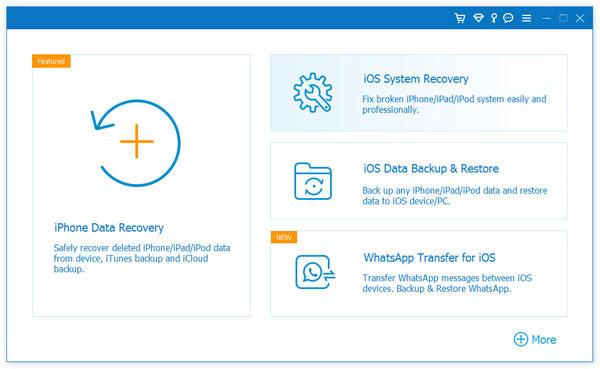
Step 1. Download and install iOS System Recovery on your computer. Launch the program, connect your iPhone/iPad using a USB cable, select "iOS System Recovery" from the main interface, and click "Start".
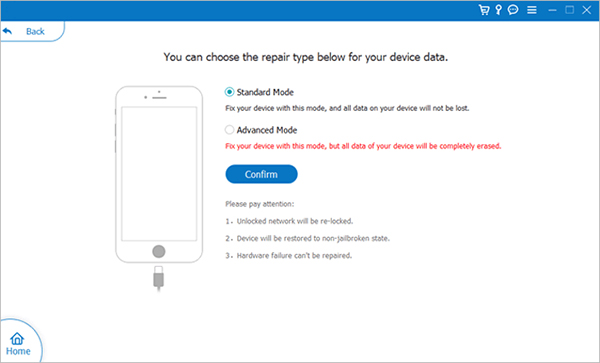
Step 2. Choose "Standard Mode" and follow the on-screen instructions to put your device into the required mode if prompted.
Step 3. Check the displayed device information carefully. If everything is correct, click "Repair" to download the appropriate firmware package.
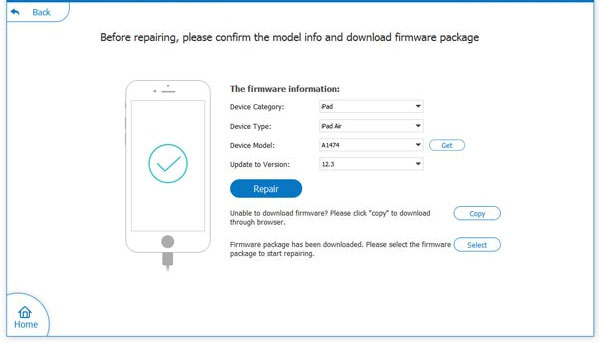
Step 4. Once the download is complete, follow the on-screen instructions to start repairing your device. Keep it connected to the computer until the process finishes.
After the repair, check whether your device can update or restore normally through iTunes.
FAQs About iTunes Error 1/-1
Q1: Is iTunes error 1 the same as error -1?
They are related error codes that may appear during an iPhone or iPad update or restore. Both can indicate communication or device-related problems, but they do not necessarily have the same underlying cause. Error 1 is also listed by Apple among errors that may indicate a hardware issue.
Q2: Does iTunes error 1/-1 mean my iPhone is damaged?
Not necessarily. This error can result from software, firmware, or connection problems. However, if it keeps appearing even after basic troubleshooting, especially on different computers, a hardware issue may be involved. A professional diagnosis can help identify the actual cause.
Q3: Will fixing iTunes error 1/-1 erase my iPhone data?
It depends on the repair method. Some troubleshooting steps, such as restarting your device or checking its connection, won't affect your data. However, restoring your iPhone through iTunes or Finder will erase its existing content. It's best to back up your device before attempting any repair that may involve restoring or reinstalling iOS.
Q4: Can I still use my iPhone if iTunes error 1/-1 appears?
It depends on when the error occurs and the condition of your device. If your iPhone still starts normally and you can access its features, you may continue using it. However, if it gets stuck in Recovery Mode or fails to boot, you'll need to address the underlying problem before using it normally.
Q5: When should I contact Apple Support for iTunes error 1/-1?
If the error continues after you've ruled out common software and connection problems, or your iPhone shows other signs of hardware failure, contact Apple Support or visit an Apple Authorized Service Provider. This is especially important if the device cannot complete an update or restore on multiple computers.
Conclusion
iTunes error 1/-1 doesn't always mean your iPhone or iPad has a serious problem. A different USB cable, an updated iTunes version, or a manually downloaded IPSW file may be enough to get things moving again. If these attempts don't help, iOS System Recovery offers another way to address possible iOS system issues. If the error continues even on another computer, consider having your device checked for hardware problems.
Related Articles:
iPhone Keeps Freezing? Try the 6 Useful Fixes
5 Ways to Fix iPhone Unavailable Try Again in 1 Minute
11 Solutions to Fix Error 11 on iTunes/iPhone [Proven]
[Fixed] iTunes Could Not Back Up iPhone Because an Error Occurred