
[Solved] How to Fix iPhone Is Not Ringing Without Losing Data?
TL;DR:
If your iPhone isn't ringing, check sound and call settings first, then try software repairs before resetting the device.
- Silent Mode, Focus, low volume, incorrect ringtones, call settings, Bluetooth, and iOS glitches are common causes.
- To fix iPhone is not ringing issue, turn off Silent Mode and Focus, adjust "Ringtone and Alerts", check blocked contacts, disconnect Bluetooth, restart, and update iOS. If needed, use MobiKin iOS System Recovery, reset all settings, or factory reset after backing up.
- Check the FAQs for fixes when your iPhone shows missed calls, only vibrates, or doesn't ring for one contact.
Missing calls because your iPhone doesn't ring can be frustrating, especially when you don't notice anything wrong with the phone. Sometimes, the fix is as simple as turning off Silent Mode or adjusting the ringer volume. In other cases, Focus settings, Bluetooth connections, or iOS glitches may be responsible. If you've checked the basic settings but your iPhone still stays silent, don't worry. This guide walks you through 11 practical ways to fix an iPhone that isn't ringing, from quick checks to more advanced system repairs.
- Part 1: Why Is My iPhone Not Ringing?
- Part 2: How to Fix iPhone Is Not Ringing
- Method 1. Turn Off Silent Mode on Your iPhone
- Method 2. Turn Off Focus Mode and Do Not Disturb
- Method 3. Turn Up the Ringer Volume
- Method 4. Check Your Ringtone Settings
- Method 5. Turn Off Call Forwarding and Check Blocked Contacts
- Method 6. Disconnect Bluetooth Devices
- Method 7. Restart Your iPhone
- Method 8. Update iOS to the Latest Version
- Method 9. Fix iPhone Not Ringing with iOS System Recovery
- Method 10. Reset All Settings on Your iPhone
- Method 11. Factory Reset Your iPhone
- Part 3: FAQs About iPhone Not Ringing
Part 1: Why Is My iPhone Not Ringing?
Your iPhone may stop ringing for several reasons, but the problem is often related to a simple setting or a minor system glitch:
- Silent Mode or Do Not Disturb is turned on.
- The ringer volume is too low, or the ringtone is not set correctly.
- Blocked contacts, call forwarding, or Bluetooth connections affect incoming calls.
- iOS bugs or system issues prevent your iPhone from ringing normally.
Whatever the cause, there are several ways to troubleshoot the problem. Try the following solutions one by one to get your iPhone ringing again.
Part 2: How to Fix iPhone Is Not Ringing
Method 1. Turn Off Silent Mode on Your iPhone
If your iPhone is in Silent Mode, incoming calls won't play a ringtone. Here's how to turn it off, depending on your iPhone model:
- For iPhones with a Ring/Silent switch: Flip the switch on the side of your iPhone so the orange indicator is no longer visible.
- For iPhones with an Action button: Press and hold the Action button to turn off Silent Mode if it's configured for that function.
- For supported models with Control Center access: Swipe down from the top-right corner of the screen, then tap the Silent Mode icon to turn it off.
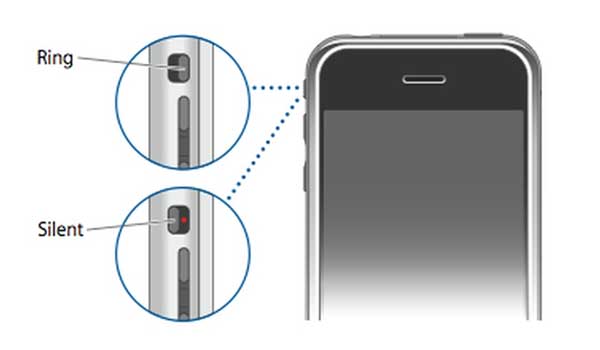
Once Silent Mode is off, ask someone to call you and check whether your iPhone rings normally. (iPhone Can't Make or Receive Calls after Update?)
Method 2. Turn Off Focus Mode and Do Not Disturb
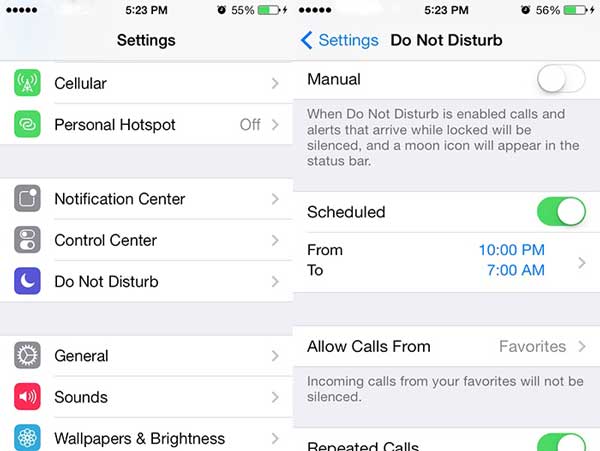
Focus mode, especially Do Not Disturb, may silence incoming calls and cause you to miss them. Follow these steps to turn it off:
- Swipe down from the top-right corner of your iPhone screen to open Control Center.
- Tap "Focus" and select the active mode, such as "Do Not Disturb", to turn it off.
- To prevent Focus from turning on automatically, go to "Settings" > "Focus" and check whether any schedules are enabled.
- Ask someone to call your iPhone to see if it rings normally.
Method 3. Turn Up the Ringer Volume
If your iPhone still isn't ringing, the ringer volume might be too low to hear clearly. You can adjust it in two ways:
- Press the Volume Up button on your iPhone. This works if "Change with Buttons" is enabled.
- Go to "Settings" > "Sounds & Haptics" and drag the slider under "Ringtone and Alerts" to the right to increase the volume.

Once you're done, ask someone to call you and see if you can hear the ringtone.
Method 4. Check Your Ringtone Settings
If your iPhone still doesn't ring, try changing your ringtone. The current tone may not be playing as expected. Follow these steps to choose another one:
- Open "Settings" and tap "Sounds & Haptics".
- Tap "Ringtone" and select a different tone.
- Ask someone to call you to see if your iPhone rings normally.

Method 5. Turn Off Call Forwarding and Check Blocked Contacts
Call forwarding or blocked contacts may be why you're missing calls on your iPhone. Check these settings to make sure incoming calls can reach you normally.
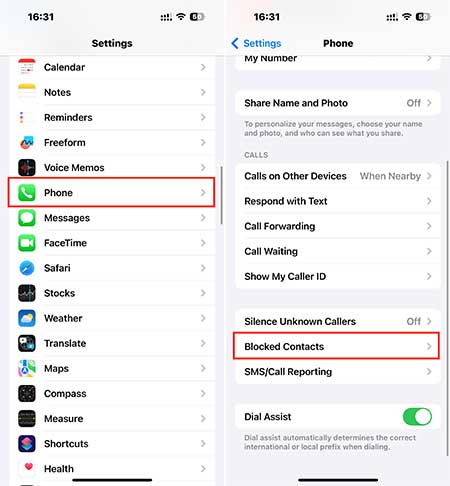
- Open "Settings" and tap "Apps" > "Phone". On some iOS versions, you may find "Phone" directly in "Settings".
- Tap "Call Forwarding" and turn it off if it's enabled.
- Go back to the Phone settings and tap "Blocked Contacts". (How to See Blocked Numbers on iPhone?)
- Check whether the person trying to call you is on the list. If so, unblock the contact.
- Ask someone to call you again to see if the problem is fixed.
Method 6. Disconnect Bluetooth Devices
If your iPhone is connected to Bluetooth headphones, speakers, or other audio devices, the ringtone may not play through the iPhone's speaker as expected. Try disconnecting Bluetooth to see if that fixes the problem.
- Open "Settings" and tap "Bluetooth".
- Turn off Bluetooth to disconnect nearby audio devices.
- Ask someone to call your iPhone and check whether it rings normally.
If your iPhone rings after disconnecting Bluetooth, reconnect your devices one at a time to identify whether a particular device is causing the issue.
Method 7. Restart Your iPhone
A minor iOS glitch may prevent your iPhone from ringing normally. Restarting your device can often clear temporary issues without deleting any data. Here's how to do it:
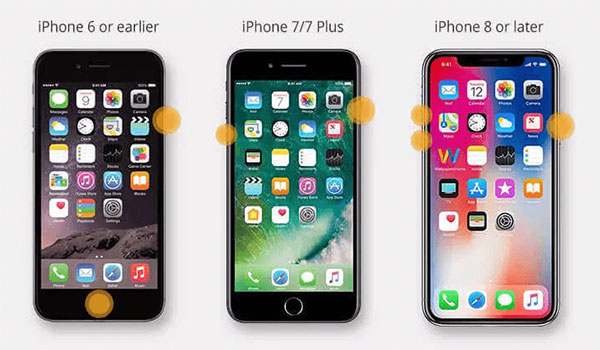
- Press and hold the Side button and either Volume button until the power-off slider appears.
- Drag the slider to turn off your iPhone, then wait about 30 seconds.
- Press and hold the Side button until the Apple logo appears.
- Once your iPhone restarts, ask someone to call you and check whether the ringtone works.
Method 8. Update iOS to the Latest Version
An outdated iOS version may contain bugs that affect your iPhone's normal functions, including incoming call alerts. Updating your iPhone may help fix these issues. Before you start, connect to Wi-Fi and make sure your battery is sufficiently charged. (How to Fix iPhone Update Issues)
- Open "Settings" and tap "General".
- Select "Software Update" and wait for your iPhone to check for available updates.
- If an update is available, tap "Update Now" or "Download and Install", then follow the on-screen instructions.
- After the update finishes, ask someone to call you and check whether your iPhone rings normally.
Method 9. Fix iPhone Not Ringing with iOS System Recovery
If your iPhone still doesn't ring after trying the methods above, the problem may be related to iOS system errors rather than your sound settings. In this case, iOS System Recovery is worth trying. It is designed to repair various iOS issues without requiring you to factory reset your iPhone first.
Key Features of iOS System Recovery:
- Fixes 50+ iOS issues, including system glitches, black screens, and boot loops.
- Offers Standard Mode to repair common iOS problems without erasing your device data.
- Provides Advanced Mode for more complex system issues, which may erase device data.
- Supports to update or downgrade your iOS to compatible versions.
- Guides you through the repair process with a simple interface, making it suitable for beginners.
- Supports various iPhone and iPad models running different iOS versions.


How to Fix iPhone Not Ringing with iOS System Recovery
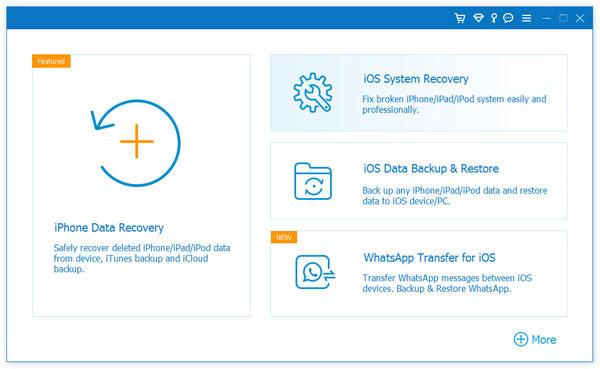
Step 1: Download and install MobiKin iOS System Recovery on your computer. Launch the program and connect your iPhone using a USB cable. Select "iOS System Recovery" from the main interface, then click "Start" to continue.
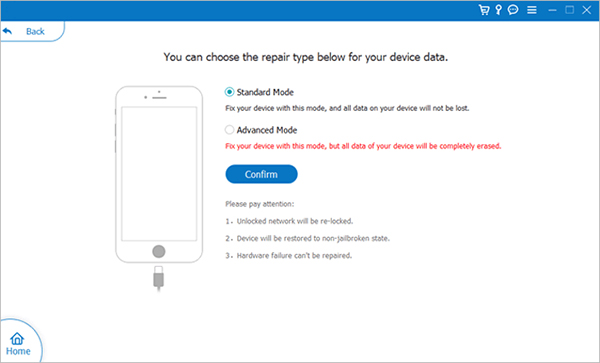
Step 2: Choose "Standard Mode" and follow the on-screen instructions to put your iPhone into the required mode if prompted.
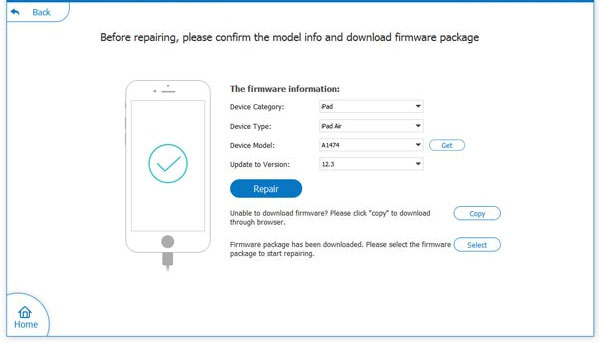
Step 3: Check your iPhone information and click "Repair" to download the matching firmware package.
Step 4: Once the firmware download is complete, follow the prompts to start repairing your iPhone.
When the repair finishes, check whether your iPhone rings normally when receiving calls.
Method 10. Reset All Settings on Your iPhone
If your iPhone still doesn't ring, incorrect system settings may be causing the problem. Resetting all settings can help fix configuration issues without deleting your photos, apps, or other personal data. However, it will reset settings such as Wi-Fi passwords, network preferences, and privacy options.
- Open "Settings" and tap "General".
- Scroll down and select "Transfer or Reset iPhone".
- Tap "Reset" and choose "Reset All Settings".
- Enter your passcode if prompted, then confirm your choice.
- Wait for your iPhone to restart, then ask someone to call you and check whether it rings normally.
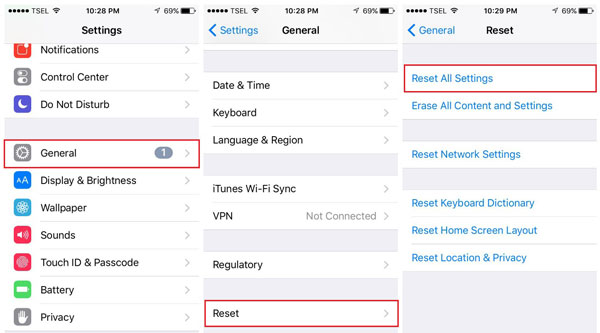
Method 11. Factory Reset Your iPhone
If none of the previous methods work, a factory reset may help fix stubborn iOS issues that prevent your iPhone from ringing. However, this process will erase all data and settings on your device, so back up your iPhone before proceeding.
- Open "Settings" and tap "General".
- Scroll down and select "Transfer or Reset iPhone".
- Tap "Erase All Content and Settings".
- Review the information displayed, tap "Continue", and enter your passcode or Apple Account password if prompted.
- Follow the on-screen instructions to complete the reset.
- Set up your iPhone and test whether incoming calls ring normally.
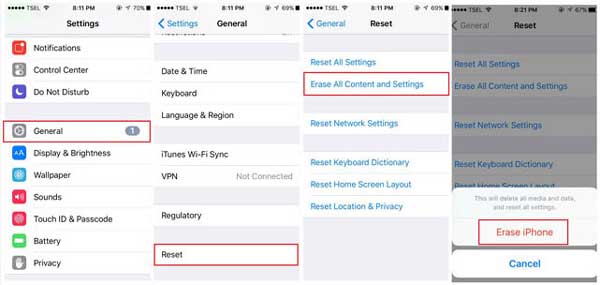
If the problem persists even after a factory reset, the cause may be hardware-related. Contact Apple Support or visit an authorized service provider for further diagnosis.
Part 3: FAQs About iPhone Not Ringing
Q1: Why Does My iPhone Not Ring but Show Missed Calls?
This usually happens when Silent Mode, Focus, or Do Not Disturb is enabled. Your iPhone may also have a low ringer volume or incorrect call settings. Check these settings first. If everything looks normal, restart your iPhone to see if a temporary iOS glitch is causing the problem.
Q2: Why Does My iPhone Only Vibrate and Not Ring?
If your iPhone vibrates but makes no sound when a call comes in, check whether Silent Mode is on. Then go to "Settings" > "Sounds & Haptics" and increase the volume under "Ringtone and Alerts". You can also tap "Ringtone" to select another tone and test whether the sound works.
Q3: Why Does My iPhone Not Ring for One Specific Contact?
If your iPhone rings for other callers but stays silent for one person, check whether that contact is blocked or has a custom ringtone that is silent or difficult to hear. Open the contact in the Phone or Contacts app, tap "Edit", and check the ringtone assigned to them. Also, make sure the contact isn't being silenced by your call-filtering settings.
Conclusion
An iPhone that won't ring doesn't always have a serious problem. Start by checking Silent Mode, Focus, volume, and ringtone settings, then move on to restarting or updating iOS. If the issue persists, iOS System Recovery may help repair system-related errors before you try resetting your device. Save a factory reset as a last resort, since it erases your data. With a little troubleshooting, you may be able to get your iPhone ringing normally again.
Related Articles:
9 Efficient Ways to Fix iPhone Text Sound Not Working
6 Solutions to Fix iPhone Keeps Freezing