
[Solved] How to Fix iTunes Error 6 While Updating or Restoring iPhone
TL;DR:
To fix iTunes Error 6 while updating or restoring an iPhone, check your connection and software first, then try recovery mode or a system repair tool.
- Error 6 may result from USB issues, outdated software, security conflicts, or network interruptions.
- Quick Fixes: Restart both devices, try another USB cable or port, update iTunes or Apple Devices, check security settings, and test another computer.
- Recovery Mode: Connect your iPhone, enter recovery mode, and select "Update" before considering "Restore", which erases data.
- Advanced Repair: Try iOS System Recovery if supported, and back up your iPhone whenever possible.
- FAQs: Check data-loss risks and seek Apple support if the error persists.
Seeing iTunes Error 6 in the middle of an iPhone update or restore can be frustrating, especially when the progress bar suddenly stops and you have no idea what went wrong. The good news is that you don't necessarily need to erase your iPhone or rush to a repair shop. The problem may come down to a USB connection, outdated software, or a conflict on your computer. This guide walks you through practical fixes, starting with simple checks and moving on to more advanced repair options if the error refuses to go away.
- Part 1: What Is iTunes Error 6 and Why Does It Occur?
- Part 2: How to Fix iTunes Error 6 While Updating or Restoring iPhone
- Method 1: Restart Your iPhone and Computer
- Method 2: Check the USB Cable, Port, and Connection
- Method 3: Update iTunes or Apple Devices and Your Computer's Software
- Method 4: Check Your Security Software and Firewall Settings
- Method 5: Check Your Network Connection and Apple Server Status
- Method 6: Try Updating or Restoring Your iPhone on Another Computer
- Method 7: Update or Restore Your iPhone in Recovery Mode
- Method 8: Repair iOS System Issues with a Professional Tool [Recommended]
- FAQs about iTunes and iPhone Error 6
Part 1: What Is iTunes Error 6 and Why Does It Occur?
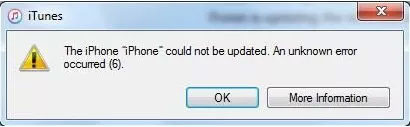
iTunes Error 6 usually appears when you try to update or restore your iPhone using a computer. You may see the message "The iPhone could not be restored. An unknown error occurred (6)." When this happens, the process may stop before it finishes.
Common causes of iTunes Error 6 include:
- USB connection problems, such as a faulty cable or port.
- Third-party security software interfering with iTunes or Apple Devices.
- Outdated iTunes, Apple Devices, or computer software.
- Network issues that interrupt communication with Apple servers.
- iOS update or restore problems that prevent the process from completing.
Part 2: How to Fix iTunes Error 6 While Updating or Restoring iPhone
Method 1: Restart Your iPhone and Computer
Sometimes, a temporary system glitch can interrupt the update or restore process and trigger iTunes Error 6. Restarting both your iPhone and computer is a simple first step that may resolve the issue.
- Disconnect your iPhone from the computer.
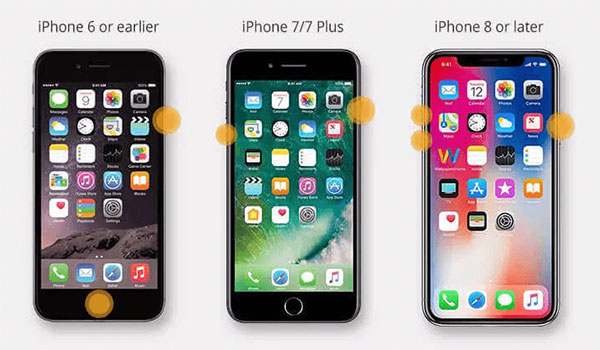
- Restart your iPhone and computer. If your iPhone is unresponsive, force restart it using the button combination for your model.
- Once both devices have restarted, reconnect your iPhone using a reliable USB cable and open iTunes or Apple Devices.
- Try updating or restoring your iPhone again to see if the error is gone.
Method 2: Check the USB Cable, Port, and Connection
A faulty USB cable or unstable connection can interrupt communication between your iPhone and computer, causing iTunes Error 6. Check the connection before trying more complicated fixes.
- Disconnect your iPhone and inspect the USB cable for visible damage. If possible, try another cable that supports data transfer.
- Connect your iPhone directly to a different USB port on your computer. Avoid using a USB hub or adapter if possible.
- Check your iPhone's charging port for debris and gently clean it if necessary.
- Unlock your iPhone and tap "Trust" if prompted. Then try updating or restoring it again.
If the error persists, try another cable or computer to determine whether the connection is the problem.
Learn More:
Method 3: Update iTunes or Apple Devices and Your Computer's Software
Outdated software can sometimes interfere with the iPhone update or restore process. Make sure your computer and Apple software are up to date before trying again.
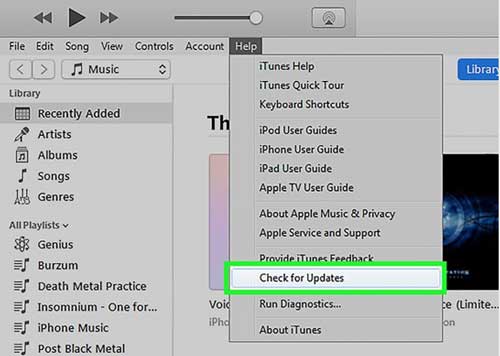
- If you use iTunes on Windows, open it and select "Help" > "Check for Updates". If you use the Apple Devices app, check for updates through the Microsoft Store.
- On a Mac, install the latest available macOS updates. You can manage your iPhone through Finder without using iTunes.
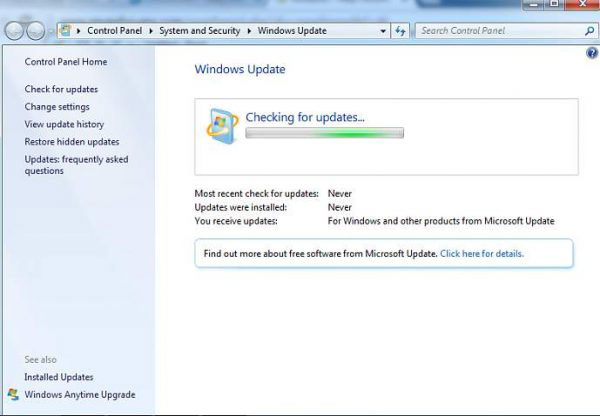
- Check for Windows updates by going to "Settings" > "Windows Update" and installing any available updates.
- Restart your computer, reconnect your iPhone, and try updating or restoring it again.
Method 4: Check Your Security Software and Firewall Settings
Third-party antivirus software or firewall settings may interfere with the connection between your computer and Apple's servers, causing iTunes Error 6. You can check whether your security software is blocking the update or restore process.
- Temporarily disable your third-party antivirus software and try updating or restoring your iPhone again.
- Check your firewall settings to make sure iTunes or Apple Devices is allowed to communicate through the network.
- If the error disappears, adjust the security software settings to allow the necessary Apple services, then turn your protection back on.
- If the error persists, re-enable your security software and move on to the next method.
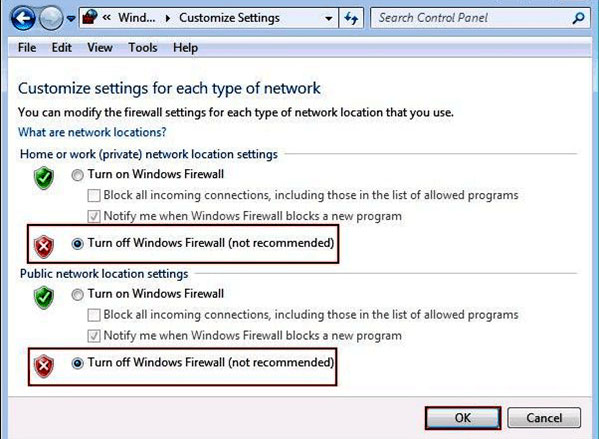
Note: Only disable security protection temporarily for testing. Avoid turning off your firewall or antivirus permanently.
Method 5: Check Your Network Connection and Apple Server Status
A weak or unstable internet connection may interrupt communication with Apple's servers during an iPhone update or restore. Before trying more advanced fixes, make sure your network is working properly.
- Open a website on your computer to check whether your internet connection is stable. If pages load slowly or fail to open, restart your router or switch to another network.
- If you use a VPN or proxy, temporarily turn it off and try again.
- Visit Apple's System Status page to check whether any relevant services are experiencing an outage.
- Once your connection is stable and Apple's services are available, reconnect your iPhone and try the update or restore again.
Method 6: Try Updating or Restoring Your iPhone on Another Computer
If iTunes Error 6 keeps appearing, the problem may be related to your computer's software or settings. Trying another computer can help you determine whether your current setup is causing the issue.
- Connect your iPhone to another computer using a reliable USB cable.
- Open the latest version of iTunes or Apple Devices on Windows, or Finder on a Mac.
- Select your iPhone and try updating or restoring it again.
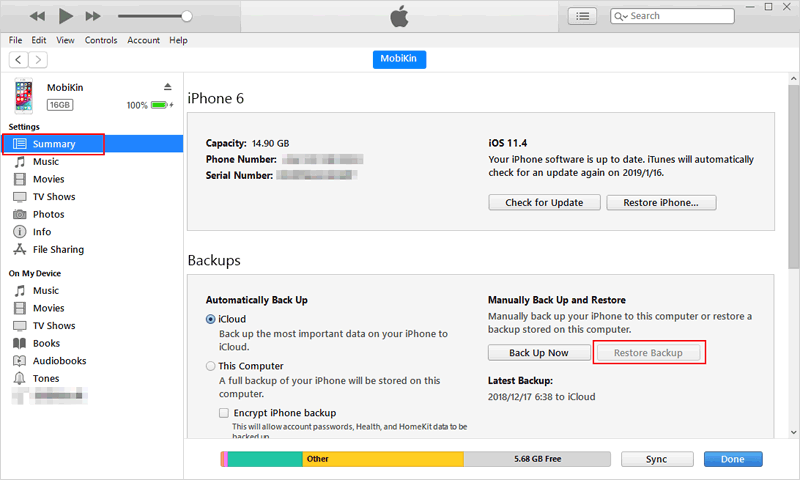
If the process works on the other computer, check your original computer for software conflicts or configuration issues. Before choosing "Restore", make sure you have a backup, as this option erases your iPhone's data.
Method 7: Update or Restore Your iPhone in Recovery Mode
If the previous methods don't work, try using recovery mode to update or restore your iPhone. This can help when a normal update or restore fails. Whenever possible, choose "Update" first to reinstall iOS without intentionally erasing your data.
- Connect your iPhone to your computer and open iTunes, Apple Devices, or Finder, depending on your computer and software.
- Put your iPhone into recovery mode. The button combination varies by model. For iPhone 8 and later, including iPhone SE (2nd generation and later), quickly press and release the Volume Up button, then the Volume Down button. Next, press and hold the Side button until the recovery mode screen appears.
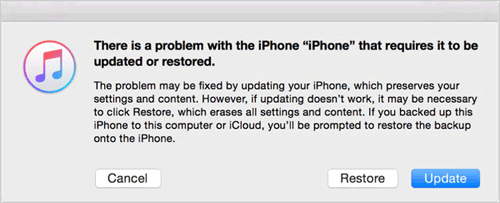
- When prompted on your computer, choose "Update" to reinstall iOS while attempting to preserve your data.
- If the update fails, you may need to repeat the process and select "Restore". Keep in mind that restoring your iPhone erases its data, so use this option only after considering your backup.
- Keep your iPhone connected until the process finishes. If the download takes longer than 15 minutes and your device exits recovery mode, let the download complete, then put your iPhone back into recovery mode and try again.
Method 8: Repair iOS System Issues with a Professional Tool
If iTunes Error 6 still appears after trying the previous methods, the problem may be related to your iPhone's operating system. In this case, you can try iOS System Recovery, a desktop tool designed to fix common iOS system issues. It offers different repair modes for different situations and guides you through the process step by step. Before using it to address Error 6, make sure the tool supports your specific issue and back up your iPhone if possible.
Key Features of iOS System Recovery:
- Fixes more than 50 iOS system issues, including an iPhone stuck on the Apple logo, a black screen, or a boot loop.
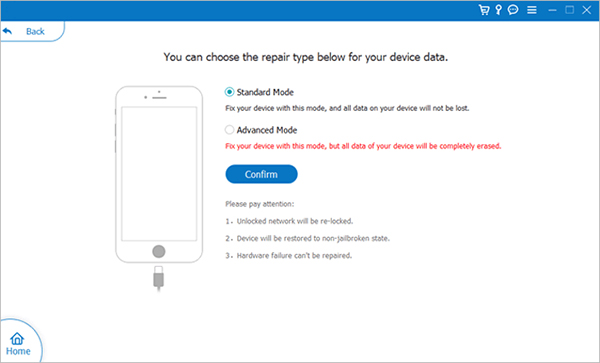
- Offers Standard Mode, which is designed to repair iOS issues without erasing existing data.
- Provides Advanced Mode for more complex system problems, although this mode may erase device data.
- Supports updating or downgrading iOS to compatible versions.
- Features a simple interface and step-by-step instructions for a beginner-friendly repair process.
- Supports various iPhone and iPad models running different iOS versions.


How to Fix iPhone Not Ringing with iOS System Recovery
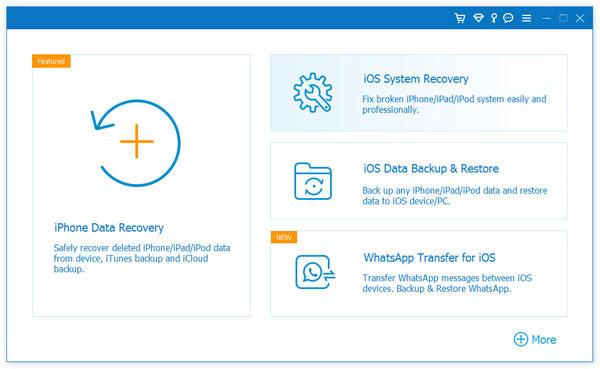
Step 1. Download and install MobiKin iOS System Recovery on your computer. Open the program and connect your iPhone with a USB cable. Select "iOS System Recovery" from the main interface and click "Start".
Step 2. Choose "Standard Mode" and follow the on-screen instructions to put your iPhone into the required mode, if prompted.
Step 3. Check that the displayed iPhone information is correct, then click "Repair" to download the appropriate firmware package.
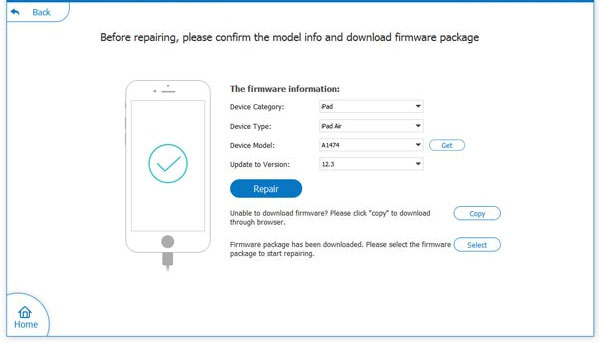
Step 4. After the firmware download is complete, follow the on-screen instructions to begin repairing your iPhone. Keep your device connected until the process finishes.
FAQs about iTunes and iPhone Error 6
Q1. Is iTunes Error 6 a hardware or software problem?
It can be related to either. Software conflicts and connection issues are worth checking first, but if the error persists across different cables and computers, an iPhone hardware problem may need further investigation.
Q2. Will iTunes Error 6 delete everything on my iPhone?
Not necessarily. The error itself does not automatically mean your data has been erased. However, if an update or restore fails, the device may need further recovery. A restore will erase the iPhone, so back up your data whenever possible before proceeding.
Q3. Can I fix iTunes Error 6 if my iPhone is stuck on the Apple logo?
Yes, you may still be able to troubleshoot it using recovery mode. Connect your iPhone to a computer and follow the recovery mode instructions. Choose "Update" first if available, as it attempts to reinstall iOS without erasing your data.
Q4. What should I do if iTunes Error 6 keeps coming back?
If the error persists after basic troubleshooting, check Apple's official guidance for iOS update and restore errors. If the same problem occurs on multiple computers, contact Apple Support or visit an Apple Authorized Service Provider to check whether your device needs further diagnosis.
Conclusion
iTunes Error 6 can interrupt an iPhone update or restore, but you don't have to jump straight to a factory reset. Start by checking your connection, software, and computer settings, then try recovery mode if needed. If the error continues, iOS System Recovery may be another option for addressing system-related issues. Whatever method you choose, back up your iPhone whenever possible before attempting repairs that could erase your data.
Related Articles:
[Fixed] iTunes Could Not Back Up iPhone Because an Error Occurred
11 Solutions to Fix Error 11 on iTunes/iPhone [Proven]