
iPhone Screen is Blue? 8 Solutions to Fix It (iOS 18/26/27)
TL;DR:
To fix an iPhone blue screen, try a force restart first, then troubleshoot software issues before moving on to advanced recovery methods.
- Causes: Failed iOS updates, system errors, faulty apps, and hardware damage may trigger a blue screen or repeated restarts.
- Basic fixes: Force restart your iPhone, update iOS via "Settings" > "General" > "Software Update," or delete and update problematic apps through the App Store.
- Advanced fixes: Temporarily disable iCloud Drive sync, check for hardware damage, or restore your iPhone using iTunes or Finder. DFU restoration is another option, but it erases data.
- System repair: Try iOS System Recovery for supported software issues. Its standard repair mode is designed to fix iOS problems without erasing data.
Your iPhone suddenly displays a blue screen, freezes, or keeps restarting? This frustrating issue can leave your device unusable, and trying a few quick fixes may not always help. But what causes an iPhone blue screen, and how can you get your device working normally again? In this guide, we'll explain the possible reasons behind the iPhone blue screen of death and walk you through eight potential fixes, from simple troubleshooting steps to more advanced repair options.

- Part 1: Why Is My iPhone Screen Blue?
- Part 2: How to Fix the Blue Screen on iPhone
- Fix 1: Force Restart Your iPhone
- Fix 2: Update iOS to the Latest Version
- Fix 3: Delete or Update Problematic Apps
- Fix 4: Turn Off iCloud Sync Temporarily
- Fix 5: Check Your iPhone for Hardware Damage
- Fix 6: Restore Your iPhone to Factory Settings
- Fix 7: Put Your iPhone into DFU Mode and Restore It
- Fix 8: Fix iPhone Blue Screen without Data Loss Using iOS System Recovery
- FAQs about the iPhone Blue Screen
Part 1: Why Is My iPhone Screen Blue?
If your iPhone screen turns blue, it can be difficult to pinpoint the exact cause. In general, both software and hardware issues can lead to a blue screen on an iPhone. The most common possibilities include:
- Interrupted or failed iOS updates.
- System errors or corrupted system files.
- Software conflicts.
- High memory usage or system overload.
- Running multiple apps at once.
- Faulty or incompatible apps.
- Physical damage to the device.
Depending on the cause, you may be able to fix the issue with a few simple troubleshooting steps. Let's go through the possible solutions below to get your iPhone working normally again.
Learn More:
Part 2: How to Fix the Blue Screen on iPhone
Fix 1: Force Restart Your iPhone
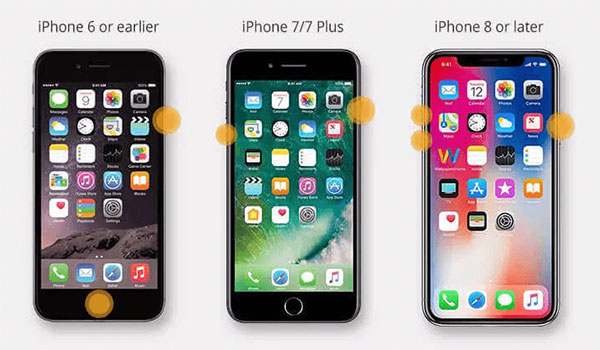
If your iPhone screen is blue and the device is unresponsive, try force restarting it. This can help resolve temporary system glitches without erasing your data. The steps vary depending on your iPhone model.
For iPhone 8 and later, including iPhone SE (2nd generation and later):
- Press and quickly release the Volume Up button.
- Press and quickly release the Volume Down button.
- Press and hold the Side button.
- Release the button when the Apple logo appears, then wait for your iPhone to restart.
For iPhone 7 and iPhone 7 Plus:
- Press and hold both the Volume Down and Sleep/Wake buttons.
- Release both buttons when the Apple logo appears.
For iPhone 6s, iPhone 6s Plus, iPhone 6, iPhone 6 Plus, and iPhone SE (1st generation):
- Press and hold both the Home and Sleep/Wake buttons.
- Release both buttons when the Apple logo appears, then wait for your iPhone to restart.
Fix 2: Update iOS to the Latest Version
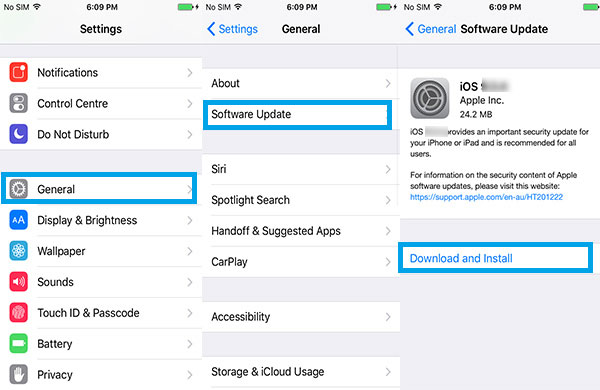
A faulty or unsupported version of iOS on your device could result in the blue screen on the iPhone. To fix this issue, you can update iOS on your iPhone as below:
- Make sure the device has at least 50% charge left.
- Enable the iPhone's Internet connection.
- Visit iPhone Settings > General > Software Update.
- Check if there's an update available.
- Tap "Download and Install" to update your device, if any. (iPhone Software Update Failed?)
Fix 3: Delete or Update Problematic Apps
If your iPhone screen turns blue or the device restarts after opening a particular app, that app might be buggy or incompatible with your current iOS version. Try deleting or updating it to see if the problem goes away.
Delete Apps
If you suspect a specific app is causing the issue, remove it from your iPhone as follows:
- Find the app on your Home Screen or in the App Library.
- Touch and hold the app icon.
- Tap "Remove App" and then select "Delete App".
- Tap "Delete" to confirm.

Update Apps
If you want to keep the app, check whether an update is available:
- Open the App Store on your iPhone.
- Tap your profile picture in the top-right corner.
- Scroll down to see the available app updates.
- Tap "Update" next to the app you want to update, or tap "Update All" to update all available apps.
After deleting or updating the suspected app, restart your iPhone and check whether the blue screen issue persists.
Fix 4: Turn Off iCloud Sync Temporarily
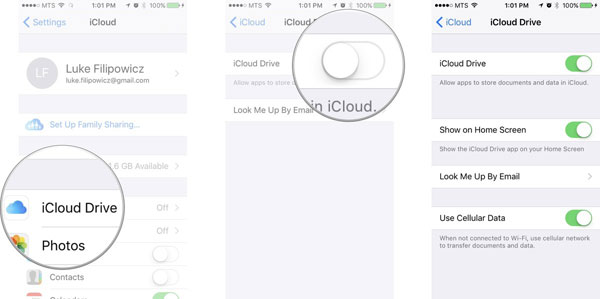
If your iPhone screen turns blue or the device restarts during a specific syncing process, temporarily turning off iCloud Drive may help you troubleshoot the issue. However, this is not a general fix for all iPhone blue screen problems.
- Open "Settings" on your iPhone.
- Tap your name, then select "iCloud".
- Tap "Drive".
- Turn off "Sync this iPhone" if it is enabled.
Extended Reading:
Fix 5: Check Your iPhone for Hardware Damage
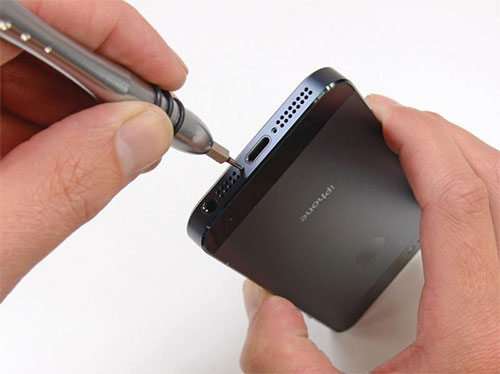
If force restarting your iPhone doesn't work, a hardware issue could be causing the blue screen. In this case, consider taking your device to an Apple Authorized Service Provider for inspection and repair. A professional assessment can help identify the cause and determine the appropriate solution.
Fix 6: Restore Your iPhone to Factory Settings
If your iPhone blue screen occurs intermittently, restoring your device to factory settings may help resolve issues caused by system failures or software errors.
Keep in mind that a factory reset will erase all data on your iPhone. Before proceeding, back up your iPhone to a computer to avoid losing important files.
- Open iTunes on your computer. If you're using a Mac with macOS Catalina 10.15 or later, open Finder instead.
- Connect your iPhone to the computer using a USB cable.
- Select your iPhone when it appears in iTunes or Finder.
- Click "Restore iPhone" and follow any on-screen instructions. If prompted, turn off "Find My iPhone" as instructed.
- Click "Restore" again to confirm.

iTunes or Finder will erase your iPhone and install the latest iOS version compatible with your device. Your iPhone will restart when the process is complete. Check whether the blue screen issue has been resolved.
Fix 7: Put Your iPhone into DFU Mode and Restore It
If the blue screen issue persists even after restoring your iPhone to factory settings, you can try putting your device into Device Firmware Update (DFU) mode and restoring it. This advanced method may help resolve stubborn software issues, but it will erase all data on your iPhone. Therefore, back up your device beforehand if possible.
1. Connect your iPhone to a computer using a USB cable.
2. Open iTunes on a Windows PC or a Mac running macOS Mojave 10.14 or earlier. On a Mac running macOS Catalina 10.15 or later, open Finder instead.
3. Put your iPhone into DFU mode by following the steps for your model:
For iPhone 8 and later, including iPhone SE (2nd generation and later):
- Quickly press and release the Volume Up button.
- Quickly press and release the Volume Down button.
- Press and hold the Side button until the screen turns black.
- Once the screen is black, press and hold the Volume Down button while continuing to hold the Side button for 5 seconds.
- Release the Side button but keep holding the Volume Down button for about 10 seconds. The screen should remain black.
For iPhone 7 and iPhone 7 Plus:
- Press and hold both the Side and Volume Down buttons for about 8 seconds.
- Release the Side button but keep holding the Volume Down button for about 10 seconds. The screen should remain black.
For iPhone 6s and earlier, including iPhone SE (1st generation):
- Press and hold both the Home and Sleep/Wake buttons for about 8 seconds.
- Release the Sleep/Wake button but keep holding the Home button for about 10 seconds. The screen should remain black.
4. Check whether iTunes or Finder recognizes your iPhone and displays a message indicating that it has detected a device in recovery mode. If the screen shows the Apple logo or a cable-and-computer icon, the device has not entered DFU mode correctly.
5. Follow the on-screen instructions in iTunes or Finder to restore your iPhone.
Once the restoration is complete, your iPhone will restart. Set it up and check whether the blue screen issue has been resolved.
Fix 8: Fix iPhone Blue Screen without Data Loss Using iOS System Recovery
If the previous methods fail to resolve the blue screen issue, you can try iOS System Recovery. This desktop tool is designed to help repair various iOS system problems on Windows and Mac computers. Its standard repair process is intended to resolve supported system issues without erasing your iPhone data, making it an option worth considering before attempting another restore. The software also features a straightforward interface for easier operation.
Key characteristics of iPhone System Recovery:
- Repair iPhone blue screen issues with a simple process.
- Fix 50+ iOS, device screen, system mode, and iTunes-related issues, including an unresponsive screen, Touch ID problems, and restart loops.
- Support upgrading or downgrading iOS and iPadOS to compatible versions.
- Upgrade and downgrade iOS/iPadOS to the supported version.
- Compatible with various iOS devices, including iPhone 18/17/16/15/14/13/12/11/X/8/7, etc.
- It won't let out your privacy.


Now, let's figure out how to fix the iPhone blue screen of death via iPhone System Recovery:
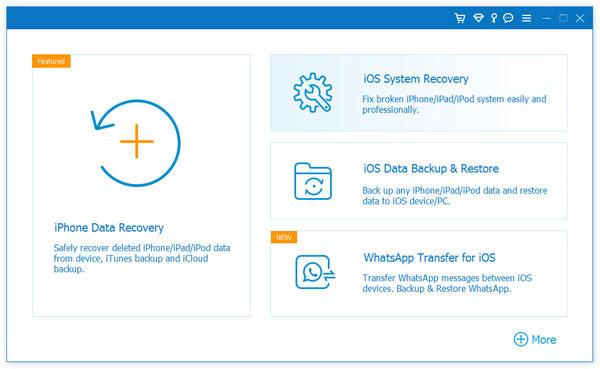
Step 1. Run the program on your computer
Download and install iPhone System Recovery on your computer. Open it and choose "More Tools > iOS System Recovery".
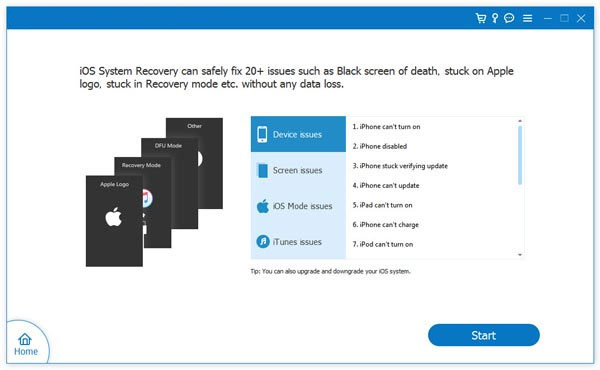
Step 2. Connect your iPhone to the computer
Attach your iPhone to the computer via a USB cable to forge a virtual connection between the device and the tool. Next, click "Start" to begin the repairing task.
Step 3. Repair iPhone blue screen back to normal
The utility will detect the info of your iPhone. You can verify your device and tap "Repair". If the detected info is wrong, select the correct one and click "Repair" again.
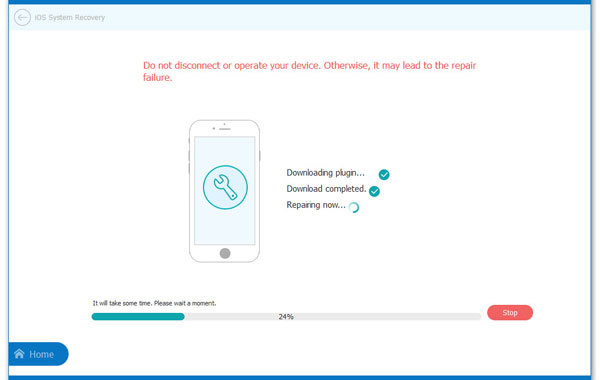
The process bar will tell you when the task is over. After that, reboot your iPhone, and the blue screen will disappear.
FAQs about the iPhone Blue Screen
Q1. Can an iPhone blue screen be caused by a full storage?
Yes. When your iPhone runs low on available storage, it may experience performance issues, freezes, or unexpected restarts. However, a full storage alone does not necessarily cause a blue screen. If your device is still usable, check "Settings" > "General" > "iPhone Storage" and remove unnecessary files or apps.
Q2. Why does my iPhone screen turn blue and then go black?
This may indicate an iOS crash, a failed startup, or a display-related problem. If the issue happens repeatedly, note whether it started after installing an app, updating iOS, or physically damaging the device. These details can help narrow down the cause.
Q3. Is the iPhone blue screen the same as the blue screen of death on Windows?
Not exactly. Windows has a specific Blue Screen of Death (BSOD) error screen, while an iPhone may display a blue-tinted screen, freeze, or restart unexpectedly. The symptoms can look similar, but the underlying causes and troubleshooting methods are different.
Q4. How can I prevent the iPhone blue screen from happening again?
Keep iOS and your apps updated, maintain sufficient free storage, and avoid installing apps from untrusted sources. It's also a good idea to back up your iPhone regularly so you can recover important data if a serious system problem occurs.
Q5. Should I replace my iPhone if the blue screen keeps coming back?
Not necessarily. Recurring blue screens do not automatically mean your iPhone needs replacing. A professional diagnosis can help determine whether the problem comes from software or hardware. If the repair cost is high compared with the device's value, replacing it may be worth considering.
Final Words
Still struggling to fix the blue screen on your iPhone? The methods covered in this guide give you several ways to troubleshoot the issue, from simple restarts to more advanced system recovery options.
The first seven fixes are worth trying, but they may not work in every situation. If the problem persists and appears to be software-related, iOS System Recovery is another option to consider. Its standard repair mode is designed to resolve supported iOS issues without erasing your data. Give it a try and see if it helps get your iPhone back to normal.
Related Articles:
iPhone Black Screen of Death? 9 Fixes Help Resolve This Issue Easily
How to Fix iPad/iPhone White Screen of Death?
Top 6 Methods to Unlock iPhone When Screen is Broken
4 Ways on How to Remove Apple ID from iPhone without Password?