
How to Downgrade iOS 27/26 to iOS 18/17 without Data Loss: 3 Methods
TL;DR:
Downgrading iOS 27/26 to iOS 18/17 requires checking Apple’s signing status first, then choosing a suitable restore method such as iTunes/Finder or iOS System Recovery.
- Check downgrade possibility: Make sure the target iOS version is still signed by Apple, as unsigned firmware cannot be installed through normal restore methods.
- Prepare your device: Back up your iPhone/iPad, download the correct IPSW file, keep your device charged, and update iTunes/Finder before starting.
- Downgrade iOS: Use iTunes/Finder with Recovery Mode, try iOS System Recovery for a simpler process, or remove the Beta Profile to return to stable releases.
- Troubleshoot issues: Find answers about data loss, failed restores, IPSW errors, and backup compatibility in the FAQs.
When a new iOS version like iOS 27/26 is released, many iPhone and iPad users are eager to upgrade to get better performance and exciting new features. However, after upgrading, you may encounter problems such as crashes, boot loops, black screens, or other glitches. While the new features are attractive, iOS 27/26 may not be as stable as expected, leading some users to consider downgrading back to iOS 18/17.
But is it possible to do that? How can you downgrade safely without losing data? In this guide, we will walk you through the steps to downgrade iOS 27/26 to iOS 18/17, ensuring that your data remains intact. Let's get started!
Part 1: Is it Possible to Downgrade iOS 26/18 to 18/17 on iPhone and iPad?
Yes, you may be able to downgrade your iPhone or iPad to an older iOS version, but it depends on whether Apple is still signing the firmware you want to install. Once Apple stops signing a version, you generally cannot restore your device to it through the usual iTunes or Finder method.
If you are running an iOS beta, you can return to a compatible public release by restoring your device with the appropriate IPSW file. However, downgrading to an older version is not always possible, and the restore process typically erases your device. Also, a backup created on a newer iOS version may not be compatible with an older one.
Don't worry if you're unfamiliar with the process. Below, we'll explain what to prepare before downgrading and walk you through the available methods, including iTunes/Finder and a third-party iOS system tool.
Part 2: What to Do Before Downgrading iOS 27/26
Before downgrading iOS 27/26, it is important to make a few preparations to avoid unexpected problems during the process. Since downgrading usually requires restoring your iPhone or iPad, your data may be erased. Taking a few minutes to get everything ready can help make the downgrade smoother and safer.
Here are some things you should do before starting:
1. Back up your iPhone or iPad
Create a full backup of your iPhone or iPad before downgrading. You can use iCloud, Finder, iTunes, or a third-party backup tool to save your important data, including photos, contacts, messages, and other files.
2. Check whether the target iOS version is still signed
Apple only allows users to install iOS versions that are still being signed. Before downloading an IPSW file, make sure the iOS version you want to downgrade to is available.
3. Prepare the correct IPSW file
Download the IPSW file that matches your exact iPhone or iPad model. Using an incorrect firmware file may cause the downgrade process to fail.
4. Keep your device charged and use a stable connection
Make sure your iPhone or iPad has enough battery power, or keep it connected to a charger during the process. A stable internet connection is also needed when downloading firmware and completing the restore.
5. Update iTunes or use the latest Finder version
If you plan to downgrade with iTunes or Finder, make sure your software is up to date. This can help prevent connection issues and unexpected errors during the restore process.
Part 3: How to Downgrade iOS 27/26 to iOS 18/17 on iPhone & iPad
Way 1: Downgrade iOS 27/26 with iTunes/Finder
Using iTunes or Finder is the traditional way to downgrade iOS. To complete the process, you need to download a compatible IPSW file that is still signed by Apple and restore your iPhone or iPad with it. Keep in mind that this method will erase your device, so make sure you have a backup before starting.
Here is how to downgrade iOS 27/26 with iTunes or Finder:
Step 1: Download the IPSW file
- Visit a trusted IPSW download website.
- Select your iPhone or iPad model.
- Choose an iOS version that is currently signed by Apple.
- Download and save the IPSW file to your computer.
Step 2: Put your iPhone into Recovery Mode
Before restoring your device, you need to enter Recovery Mode.
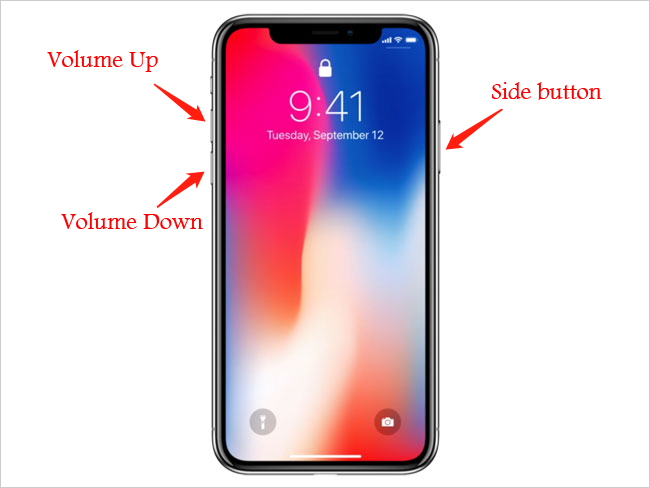
For iPhone 8 and later:
- Quickly press and release the Volume Up button.
- Quickly press and release the Volume Down button.
- Press and hold the Side button until the Recovery Mode screen appears.
For iPhone 7/7 Plus: Press and hold the Side button and Volume Down button together until the Recovery Mode screen appears.
For iPhone 6s and earlier: Press and hold the Home button and Side (or Top) button together until Recovery Mode appears.
Step 3: Restore iPhone with the IPSW file
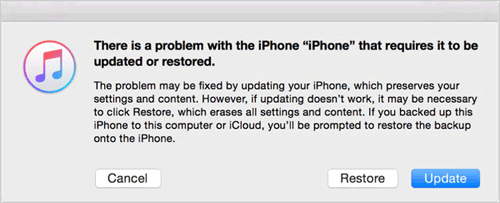
- Connect your iPhone to your computer.
- Open iTunes on Windows or older macOS, or open Finder on newer macOS.
- Select your iPhone when it appears.
- Hold the "Shift" key on Windows or the "Option" key on Mac, then click "Restore iPhone".
- Select the downloaded IPSW file and start the restore process.
After the restore finishes, your iPhone will be downgraded to the selected iOS version. You can then restore your data from a compatible backup or set up your device as new.
Way 2: Downgrade iOS 27/26 with iOS System Recovery
To downgrade iOS easily and quickly, you can rely on the essential tool iOS System Recovery. This program allows you to go back to iOS 18/17 without losing any data and without jailbreaking. Unlike iTunes, iOS System Recovery automates the IPSW file download process so you don't have to handle it manually.
iOS System Recovery is compatible with all iPhone models and allows users to downgrade from iOS 27/26 to a stable version of iOS 18/17 without using iTunes. It is a straightforward solution for all iPhone users.
Main features of iOS System Recovery:
- Downgrade from iOS 27/26 to 18/17 without iTunes.
- Upgrade iOS to the latest version without data loss.
- Troubleshoot 50+ iDevice/iTunes/screen/iOS mode issues, including iPhone stuck on the loading screen, Touch ID not working, iPhone stuck on Apple logo, and more.
- Run smoothly for overall iOS devices, including the latest iPhone 18/17/16/15/14/13/12/11/X/8/7.
- It won't disclose your privacy.


How to downgrade to iOS 18/17 from iOS 27/26 with iOS System Recovery?
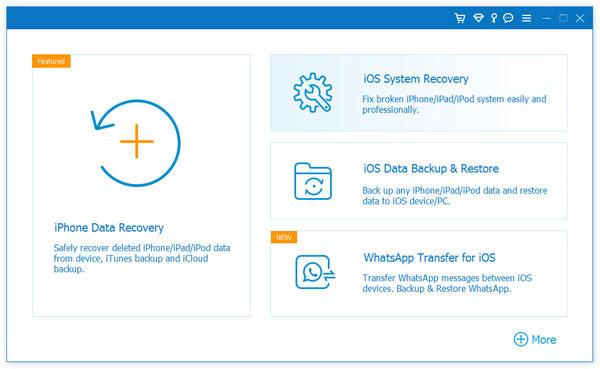
Step 1. Download iOS System Recovery on a computer. Open it after the installation and select "iOS System Recovery". Next, attach your iPhone to the computer via USB and tap "Trust" on your iPhone to get your device recognized.
Step 2. Click the "Start" button on the screen to continue.
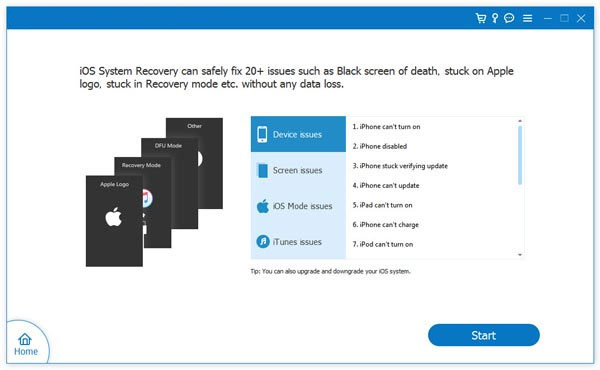
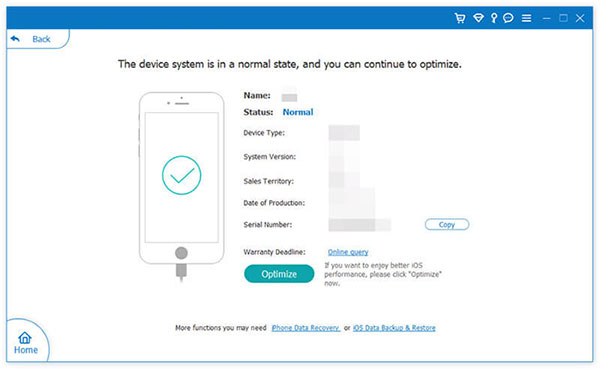
Step 3. Pick the "Standard Mode", check the basic information of your iPhone, and click "Optimize".
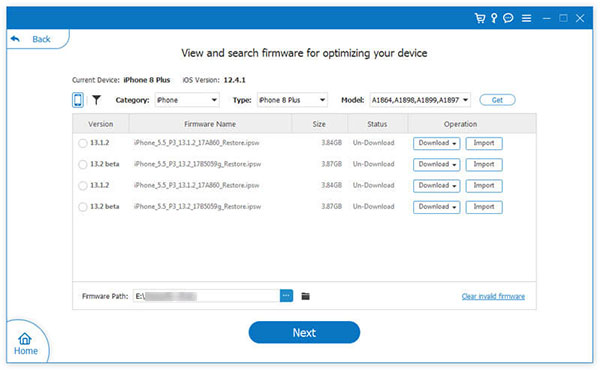
Step 4. This tool will match your device information, and you can modify it if the information is wrong. Next, you will see the iOS version that your iDevice is compatible with. Select the correct version and click "Next" to download the firmware, and your iPhone will start downgrading to iOS 18/17.
Way 3: Remove iOS Beta and Return to a Stable iOS Version
If you are using an iOS beta version and no longer want to receive beta updates, you can remove the beta profile from your iPhone or iPad. However, keep in mind that removing the profile will not immediately downgrade your device to an older iOS version. It only prevents future beta updates.
To remove the iOS beta profile:
- Open "Settings" on your iPhone.
- Go to "General" > "VPN & Device Management".
- Select the iOS Beta Software Profile.
- Tap "Remove Profile" and follow the instructions to complete the process.
- Restart your iPhone.

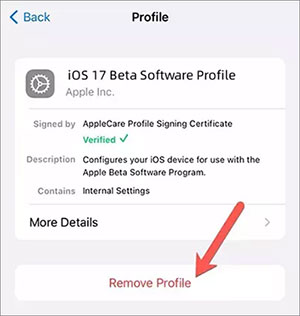
After removing the profile, your device will receive future stable iOS updates instead of beta releases. If you want to return to an older iOS version immediately, you will need to use another downgrade method, such as iTunes/Finder or a professional iOS system tool.
Part 4: FAQs About iOS 27/26 Downgrade
Q1: How can I downgrade to an unsigned iOS version?
Yes, it's possible to downgrade to an unsigned iOS. Using iOS System Recovery, you can easily revert your iPhone to an unsigned iOS version. Simply follow the downgrade steps in the program. For more information, refer to the full guide on downgrading to an unsigned iOS.
Q2: Will downgrading iOS 27/26 erase my iPhone data?
Yes, in most cases. Downgrading through iTunes, Finder, or a firmware restore usually requires erasing your iPhone or iPad. To avoid losing important files, create a backup before starting. Also, keep in mind that a backup made on a newer iOS version may not always work on an older version.
Q3: Is it legal to downgrade from iOS 27/26?
Yes, downgrading from iOS 26/18 is legal, especially if you're using the iOS 18 developer beta, which may have bugs.
Q4: Can I downgrade iOS 27/26 via OTA (Over-the-Air)?
Typically, you cannot downgrade iOS via the OTA method. However, you can use iTunes, Finder, or iOS System Recovery to complete the downgrade.
Q5: Can I downgrade iOS 27/26 without a computer?
Generally, no. Removing the iOS beta profile from your iPhone only stops future beta updates and does not immediately roll your device back to an older iOS version. To complete a real downgrade, you usually need to restore your device using a computer with Finder, iTunes, or another iOS system tool.
Q6: Why can't I downgrade my iPhone with the IPSW file?
Having an IPSW file is not enough to complete the downgrade. The firmware must match your exact iPhone model and still be signed by Apple. If Apple has stopped signing that version, iTunes or Finder will reject the restore process even if the IPSW file has already been downloaded.
Q7: Can I restore my backup after downgrading iOS?
It depends on when the backup was created. A backup made before upgrading to iOS 27/26 may usually be restored after downgrading, while a backup created on a newer beta or newer iOS version may not be compatible with the older system. If no compatible backup is available, you may need to set up your device as new.
Final Thoughts
In this article, we discuss three safe ways to downgrade from iOS 27/26 to iOS 18/17. If you haven't updated to iOS 27 yet, it's worth considering your options. However, if you already have iOS 27/26 installed, you can easily revert back to iOS 18/17 by following the methods provided. As long as you follow the guide to downgrade, everything will go smoothly. For a seamless experience, iOS System Recovery can help you downgrade or upgrade iOS, including support for downgrading or upgrading to iOS 27/26.
Related Articles:
iPhone Battery Draining Fast After iOS Update? 8 Tips to Fix It
Which is the Best iOS System Recovery Software? Top 7 Tools Offered
Why Does My iPhone Keep Restarting? Reasons and 13 Great Solutions for You
4 Ways to Restore Lost Data on iPhone after iOS 27/26 Update