
5 Best Ways to Download Music to iPhone for Free
TL;DR:
You can download music to your iPhone through Apple Music, free music websites, iTunes or Finder, cloud services, and music apps, then back up your songs to a computer with MobiKin Assistant for iOS.
- Apple Music: Add a song to your library, then tap "Download" for offline listening.
- Free websites: Use Safari to download legal tracks from Jamendo and find them in "Files" > "Downloads".
- iTunes or Finder: Import computer music, connect your iPhone, select "Sync Music," and click "Apply" or "Sync."
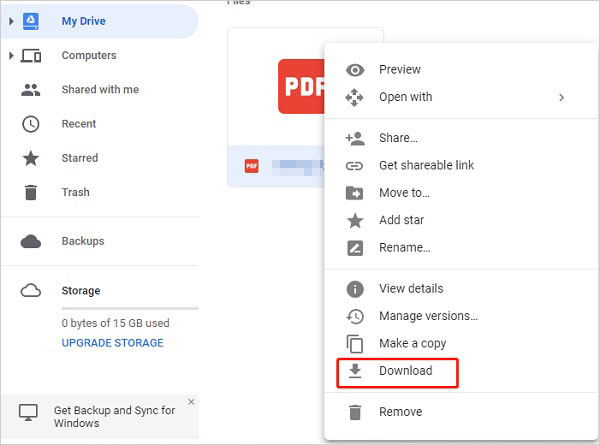
- Cloud services: Open Google Drive, tap the three-dot menu beside a song, and save a copy to "Files."
- Music apps: Download songs in Spotify for offline listening with an eligible subscription.
- Backup: Use MobiKin Assistant for iOS to preview, select, and export iPhone music to your computer.
Want to listen to your favorite songs on your iPhone without using mobile data every time? There are several ways to download music on your iPhone, whether you use Apple Music, download free tracks from music websites, or transfer songs from your computer. You can also save music through cloud services or streaming apps for offline listening. In this guide, we'll show you how each method works, so you can choose the one that fits your needs. We'll also cover an easy way to back up music from your iPhone to your computer.
- Part 1: Download Music for iPhone from Apple Music
- Part 2: Download Music on iPhone for Free via Music Websites
- Part 3: Download Music to iPhone with iTunes or Finder
- Part 4: Download Music for iPhone Using Cloud Services
- Part 5: Download Music on iPhone Using Music Apps
- Bonus: How to Back Up Music from iPhone to Computer
Part 1: Download Music for iPhone from Apple Music
Apple Music makes it easy to download your favorite songs, albums, and playlists to your iPhone. With an active subscription, you can save music for offline listening and enjoy it even when you don't have an internet connection.
How to download music to your iPhone from Apple Music:
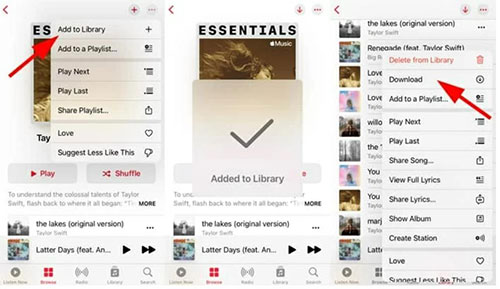
- Open the "Settings" app, tap "Apps" > "Music," and turn on "Sync Library" if needed.
- Open the "Music" app and find the song, album, or playlist you want.
- Tap "Add" to add the music to your library.
- Tap the "Download" button to save it to your iPhone. For an individual song, tap the "More" button next to it and select "Download."
- To find your downloaded songs, open "Music" > "Library" > "Downloaded."
Note: The downloaded Apple Music tracks take up storage space and generally require an active subscription to remain playable. If you want to keep a separate copy of your music on your computer, you'll need to export or transfer your music files. (How to Restore Apple Music Library on iPhone/Mac?)
Part 2: Download Music on iPhone for Free via Music Websites
Several websites let you download free music to your iPhone, including Free Music Archive, Jamendo, and Musopen. They offer music across different genres, and some tracks are available for free download. Before downloading, check the licensing terms to make sure you can use the music as intended.
Here, we'll use Jamendo as an example to show you how to download free music to your iPhone.
- Open Safari on your iPhone and visit the Jamendo website.
- Browse the available tracks or search for a song you like.
- Open the track's page and look for a free download option.
- Tap the download button and confirm the download if prompted.
- Once the download finishes, open the "Files" app and go to "Browse" > "Downloads" to find your music file.
Downloaded songs are usually saved as audio files in the "Files" app, not directly in your Apple Music library. Also, download availability and usage rights vary by track, so check the details before saving or using the music.
Part 3: Download Music to iPhone with iTunes or Finder
If you already have music files saved on your computer, you can transfer them to your iPhone using iTunes on Windows or Finder on a Mac. This method works well for songs you've purchased or downloaded and want to listen to on your phone. Keep in mind that syncing music may replace music synced from another computer, so check your existing music library before proceeding.
Using iTunes on Windows:
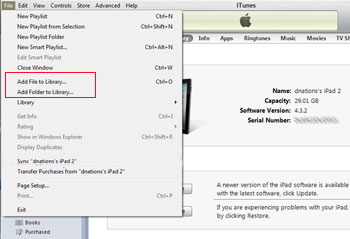
- Install and open iTunes on your PC, then connect your iPhone using a USB cable.
- Click "File" > "Add File to Library" or "Add Folder to Library" to import your music.
- Click the iPhone icon near the top of the iTunes window.
- Select "Music" in the sidebar and check "Sync Music."
- Choose the songs, artists, or playlists you want to transfer, then click "Apply" or "Sync."
Using Finder on Mac:
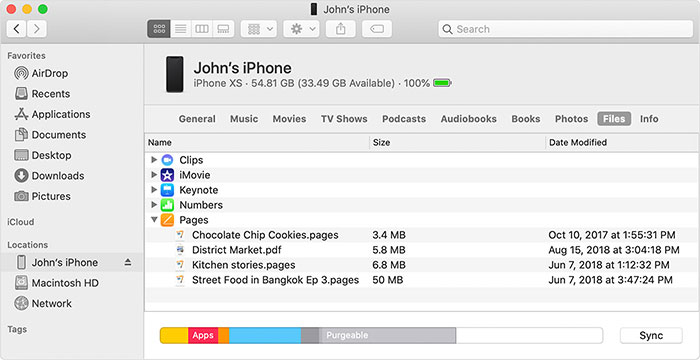
- Connect your iPhone to your Mac with a USB cable and open Finder.
- Select your iPhone in the sidebar and trust the device if prompted.
- Click the "Music" tab.
- Select "Sync music onto [your iPhone's name]" and choose the music you want to transfer.
- Click "Apply" or "Sync" to start transferring the songs from Mac to your iPhone.
Part 4: Download Music for iPhone Using Cloud Services
Cloud services like Google Drive, Dropbox, and OneDrive let you store music online and download it to your iPhone whenever you need it. This is handy if you've already uploaded songs from your computer and don't want to sync your entire music library through iTunes.
Let's take Google Drive as an example.
- Open Google Drive in Safari or launch the Google Drive app on your iPhone.
- Sign in to the account where your music files are stored.
- Find the song you want to download and tap the three-dot icon next to it.
- Select "Open in" or "Send a copy," depending on the available options, then choose "Save to Files."
- Choose a folder on your iPhone and tap "Save."
Read Also:
Part 5: Download Music on iPhone Using Music Apps
If you prefer listening to music through a dedicated app, services like Spotify, YouTube Music, and Amazon Music are worth trying. They offer large music libraries and offline listening, although downloading songs usually requires a paid subscription. The exact features depend on your plan and region.
Here's how to download music using Spotify as an example:
- Download Spotify from the App Store and sign in to your account.
- Search for the song, album, or playlist you want to listen to.
- Open an album or playlist and tap the "Download" button.
- Wait for the download to finish while connected to the internet.
- Open "Your Library" to find your saved music and play it offline

Note that Spotify downloads stay within the app and aren't saved as separate MP3 files that you can move freely to other devices. You'll generally need Spotify Premium to download music for offline listening. (How to Add MP3 Files to iPhone?)
Bonus: How to Back Up Music from iPhone to Computer
After downloading music to your iPhone, you may want to keep a separate copy on your computer for safekeeping or easier access. MobiKin Assistant for iOS is a handy option for this. It lets you preview and selectively export music from your iPhone to a Windows PC or Mac without relying on iTunes music syncing.
Key Features of MobiKin Assistant for iOS:
- Transfer music from iPhone to a computer via USB.
- Preview music files before exporting them.
- Select individual songs or multiple tracks for batch transfer.
- Export music to a folder of your choice on the computer.
- Transfer other data, including photos, videos, contacts, and text messages.
- Manage iPhone data on your computer without using iTunes.


How to back up music from iPhone to computer with MobiKin Assistant for iOS:
Step 1: Connect your iPhone to the computer
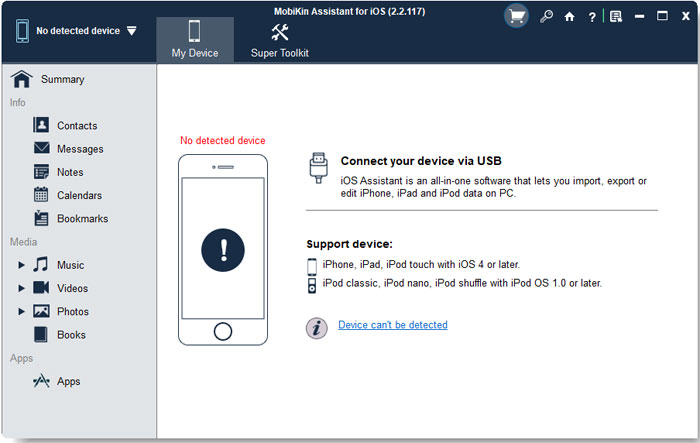
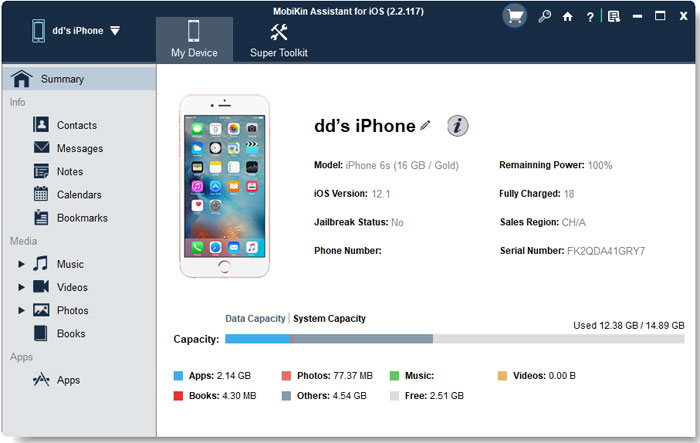
Download and install MobiKin Assistant for iOS on your computer. Launch the program and connect your iPhone using a USB cable. Unlock your device and tap "Trust" if prompted.
Step 2: Preview and select your music
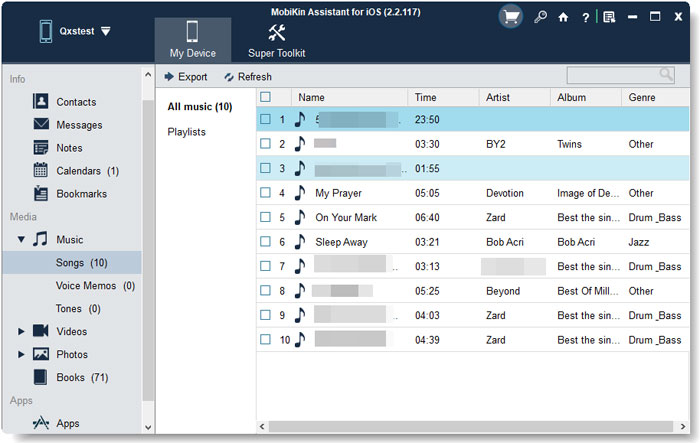
Once your iPhone is recognized, click "Music" in the left panel. Browse the available tracks, preview the files, and select the songs you want to back up.
Step 3: Export music to your computer
Click "Export," choose a destination folder on your computer, and start the transfer. Your selected music files will be saved to that folder for easy access and backup.
Video Guide:
Conclusion
There are several ways to get music onto your iPhone, whether you prefer Apple Music, free downloads, computer transfers, cloud storage, or streaming apps. The right method depends on where your music comes from and how you want to listen to it. If you'd also like to keep a separate copy of your songs, MobiKin Assistant for iOS lets you select music on your iPhone and export it to your computer for safekeeping.
Related Articles:
How to Transfer Music from iPhone to iTunes [5 Proven Ways]
How to Copy iPhone Voice Memos to PC? 6 Ways & FAQs 2026