
How to Unlock A Disabled iPhone without iTunes or iCloud: 3 Easy Ways
TL;DR:
You can unlock a disabled iPhone by erasing the device through iCloud, using an unlocking tool, or restoring it with Recovery Mode. Choose the method that matches your situation.
- Check why your iPhone is disabled, usually due to repeated wrong passcode attempts, and understand messages like "iPhone Unavailable" or "Security Lockout".
- Use iCloud by visiting "Find Devices", selecting your iPhone under "All Devices", and choosing "Erase iPhone" to remove the passcode.
- Use iOS Unlock to remove a disabled iPhone lock without iTunes or iCloud through a few simple steps.
- Enter Recovery Mode, connect your iPhone to Finder or iTunes, and select "Restore" to erase and restore your device.
If you enter the wrong passcode too many times, your iPhone will become disabled and may show messages like "iPhone Unavailable" or "Security Lockout". In this situation, you usually need to erase your device to remove the screen passcode and regain access. Many users wonder if they can unlock a disabled iPhone without iTunes. The good news is that there are several ways to do it, including using iCloud, Recovery Mode, or a professional unlocking tool.
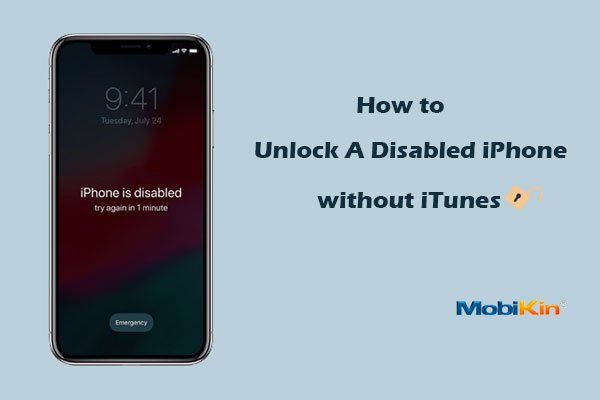
Part 1: Why Is My iPhone Disabled?
If your iPhone is disabled, it usually means too many incorrect passcode attempts have been entered. To protect your data, your iPhone will temporarily lock you out or show messages like "iPhone Unavailable" or "Security Lockout". This can be frustrating, especially when you need to access important files or messages. The good news is that there are several ways to regain access depending on your situation.
- Entering the wrong passcode too many times: After multiple failed attempts, your iPhone will become disabled for security reasons.
- Forgetting the iPhone passcode: If you cannot remember your screen password, you may eventually need to erase and set up your iPhone again.
- Software or system issues: In some cases, iOS problems or failed updates may also cause your iPhone to become unavailable.
Part 2: Unlock a Disabled iPhone Without iTunes via iCloud
Using iCloud is a convenient way to erase and unlock a disabled iPhone without iTunes. However, the "Find My" feature must have been enabled before your iPhone was disabled. Otherwise, you cannot use iCloud to erase your device remotely. If your iPhone meets the requirements, follow the steps below:
- Turn off your iPhone and visit the iCloud Find Devices page on your computer. Sign in with the Apple ID and password linked to your iPhone.
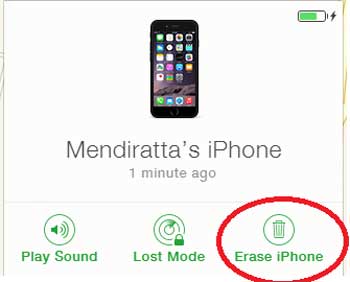
- Click "All Devices" at the top of the window and select your disabled iPhone. Then choose "Erase iPhone" to remove all data and settings, including the screen passcode.
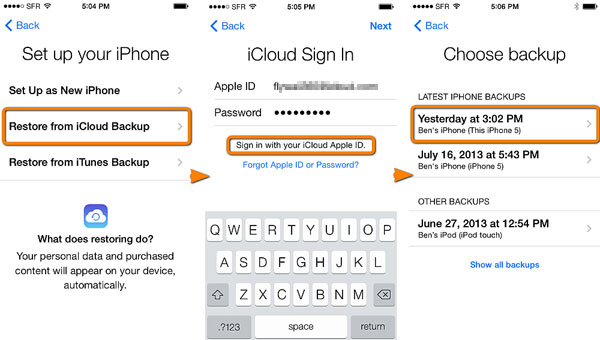
- After the erase process is complete, restart your iPhone and follow the on-screen instructions to set it up. You can choose "Restore from iCloud Backup" if you have a backup available, or set up your iPhone as a new device.
Part 3: Fix a Disabled iPhone Without iTunes or iCloud
If you haven't enabled "Find My" before your iPhone was disabled, using an iPhone unlocking tool can be a helpful solution. iOS Unlock allows you to unlock a disabled iPhone without iTunes or iCloud. It can also help remove forgotten iPhone passcodes and fix various screen lock issues with simple operations.
Main Features of iOS Unlock:
- Unlock a disabled iPhone or iPad without iTunes or iCloud.
- Support removing 4-digit passcodes, 6-digit passcodes, Touch ID, and Face ID on iPhone/iPad.
- Unlock your iPhone in just a few clicks without requiring technical skills.
- Provide a simple and secure unlocking process while protecting your personal information.
- Work with most iPhone and iPad models, including iPhone 18/17/16/15/14/13/12/11/X and more.


How to unlock a disabled iPhone without iTunes using iOS Unlock?
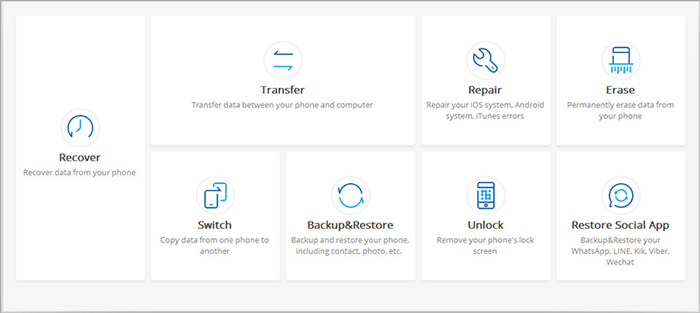
Step 1. Launch the program after downloading and installing it on your computer. Then select "Unlock" from the modules on the interface to get started.
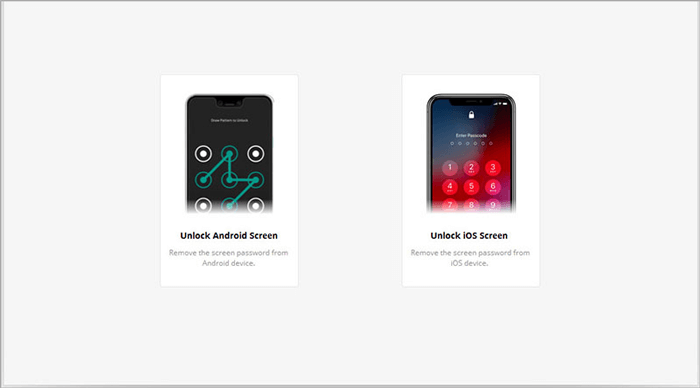
Step 2. Connect your disabled iPhone to the computer using a USB cable and wait for the program to recognize your device. After that, click the "Unlock iOS Screen" option.
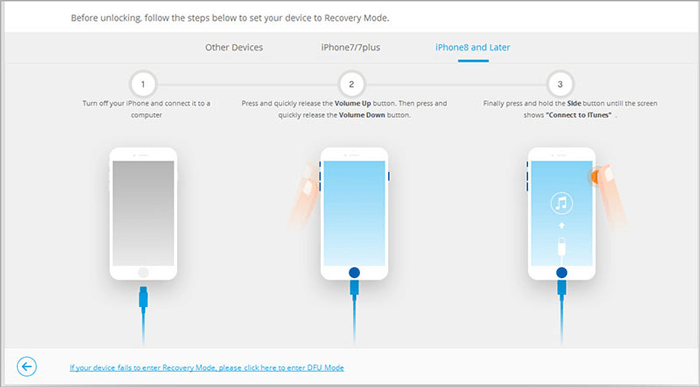
Step 3. Follow the on-screen instructions to put your iPhone into recovery mode or DFU mode. Select the corresponding guide based on your iPhone model.
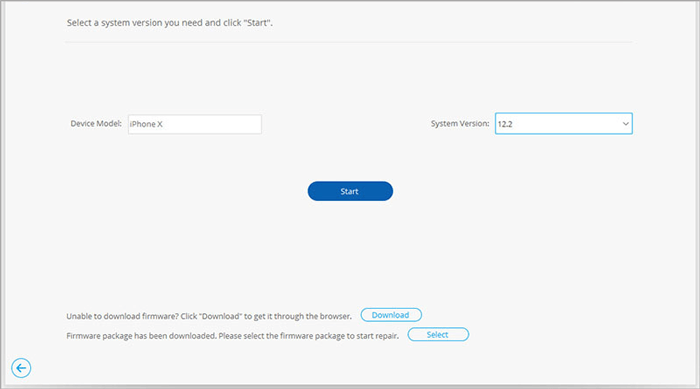
Step 4. Once your iPhone enters the required mode, enter your iPhone model and system version in the new window. Then click "Download" to download the firmware package.
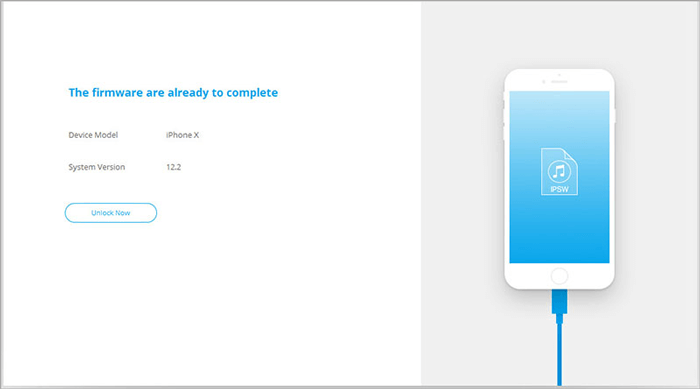
Step 5. After the firmware package is downloaded, click "Unlock Now" to start the unlocking process. Wait for a while, and your disabled iPhone will be unlocked successfully without using iTunes.
See Also:
Part 4: Restore a Disabled iPhone Using Recovery Mode
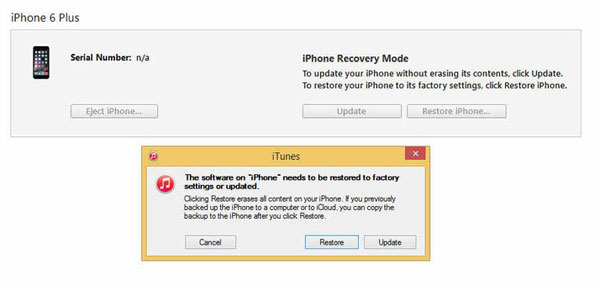
If you cannot unlock your disabled iPhone through iCloud or other methods, using Recovery Mode is another official way to regain access to your device. This method requires a computer with Finder (on Mac) or iTunes (on Windows). However, keep in mind that restoring your iPhone will erase all existing data and settings. Follow the steps below to restore your disabled iPhone.
- Connect your iPhone to a computer using a USB cable, then open Finder or iTunes. Keep your iPhone connected during the entire process.
- Put your iPhone into Recovery Mode. The method varies depending on your iPhone model, so follow the correct button combination for your device until the recovery mode screen appears.
- When your computer detects your iPhone in Recovery Mode, a pop-up window will appear. Click "Restore" to download the latest iOS version and erase your device.
- Wait for the restore process to complete. After that, your iPhone will restart and return to the setup screen. You can set it up as a new iPhone or restore your data from a backup if available.

FAQs About Unlocking a Disabled iPhone
Q1. Can I unlock a disabled iPhone without losing data?
In most cases, unlocking a disabled iPhone requires erasing the device, which removes all data and settings. If you have an iCloud or computer backup, you can restore your data after unlocking the iPhone.
Q2. How many wrong passcode attempts will disable an iPhone?
An iPhone may become unavailable after too many incorrect passcode attempts. The exact lockout time increases with each failed attempt, and repeated mistakes can eventually lead to a Security Lockout message. (Learn more: How Many Attempts to Unlock iPhone?)
Q3. Can I unlock a disabled iPhone without iTunes?
Yes. You can use iCloud if "Find My" was enabled before the iPhone was disabled. Alternatively, you can use an iPhone unlocking tool to remove the screen lock without relying on iTunes.
Q4. What should I do if my iPhone says "iPhone Unavailable" or "Security Lockout"?
You can try unlocking it through iCloud, Recovery Mode, or a professional unlocking tool. The best method depends on whether you remember your Apple ID details and whether you have a backup.
Q5. Can Apple unlock my disabled iPhone without the passcode?
Apple cannot bypass your iPhone passcode for security reasons. If you forget the passcode, you will need to erase the iPhone and set it up again using official recovery methods.
Q6. Can Siri unlock a disabled iPhone?
No, Siri cannot unlock a disabled iPhone on modern iOS versions. Some old iOS versions had security issues that allowed limited access through Siri, but these methods no longer work on current iPhones. If your iPhone is disabled, you should use official methods like iCloud or Recovery Mode, or use a professional unlocking tool.
The Bottom Line
A disabled iPhone can be frustrating, especially when you cannot access important data or apps. In this guide, we have shared several ways to unlock a disabled iPhone without iTunes, including iCloud, Recovery Mode, and a professional unlocking tool like iOS Unlock. Choose the method that works best for your situation, and remember to back up your iPhone regularly to prevent unexpected data loss. If these methods do not solve the problem, you can also contact Apple Support for further help.
Related Articles:
3 Verified Ways of How to Back Up Locked/Disabled iPhone
3 Methods to Resolve iPhone Stuck in Boot Loop