
How to Fix a Soft Bricked Android Phone? Try Out 5 Tested Ways Now
TL;DR:
A soft-bricked Android phone is rarely a permanent failure, and the right software-based approach can often bring it back to life without hardware intervention.
- Android Repair provides a straightforward, step-by-step solution for fixing boot loops, logo hangs, and other soft-brick symptoms without requiring advanced technical expertise. It automates the process of downloading and installing the correct firmware for your specific device model with a high success rate.
What is a soft bricked phone?
A soft-bricked phone refers to an Android device that can still power on but fails to boot properly, often getting stuck on the logo screen, entering a boot loop, or showing system errors. Unlike a hard brick, a soft brick is usually caused by software-related problems and can often be repaired without replacing hardware.
This article will explain the common reasons behind a soft-bricked phone and introduce 5 reliable solutions to help restore your Android device to normal operation.
- Part 1: Main Reasons for Soft Bricked Android Phone
- Part 2: Fix a Soft Bricked Phone by Replacing Battery or Forcing Restart
- Part 3: Fix a Soft Bricked Android Phone by Wiping Cache Partition
- Part 4: Fix Soft Bricked Android Phone by Flashing a New ROM
- Part 5: Troubleshoot a Soft Bricked Android Device with TWRP Recovery
- Part 6: Fix a Soft Bricked Android Device with Android Repair [Expert]
Part 1: Main Reasons for Soft Bricked Android Phone
A soft-bricked Android phone usually powers on but gets stuck on the boot logo, enters a boot loop, or cannot finish loading the operating system. The most common causes include:
- Interrupted or failed Android system update.
- Incorrect or incomplete rooting process
- Flashing an incompatible or corrupted custom ROM.
- Installing the wrong firmware or interrupting the flashing process.
- Bootloader, kernel, or custom recovery (e.g., TWRP) installation errors.
- Corrupted system files, cache, or partitions.
- Faulty apps or malware that damage system components.
- Interrupted factory reset or system restore.
- Hardware issues, such as faulty storage, water damage, or motherboard failure.
You Could Potentially Like: Can I restore data from my soft bricked phone? Yes. Check out the 3 optimal solutions now.
Part 2: Fix a Soft Bricked Phone by Replacing Battery or Forcing Restart
If your Android phone is soft-bricked and stuck on the boot logo or in a boot loop, start with a simple restart. Here's how:
- For phones with a removable battery: Power off the device, remove the battery for 30-60 seconds, reinsert it, and turn the phone back on. This clears temporary power-related glitches that may prevent Android from booting normally.
- For phones with a non-removable battery: Perform a force restart by pressing and holding the Power button (or Power + Volume Down on many models) for 10-20 seconds until the device restarts. The exact button combination may vary by manufacturer.
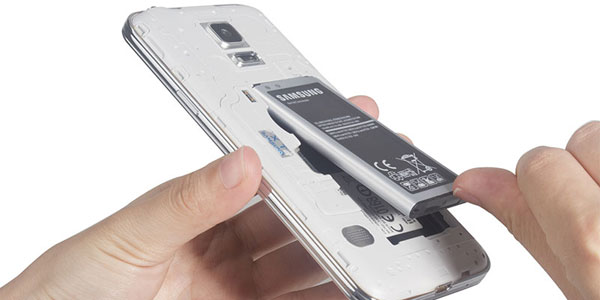
If the phone still fails to boot after restarting, move on to more advanced fixes, such as booting into Recovery Mode, wiping the cache partition, or reinstalling the firmware.
Part 3: Fix a Soft Bricked Android Phone by Wiping Cache Partition
If your Android phone is stuck in a boot loop or freezes on the startup logo after a failed update or ROM flash, wiping the cache partition can remove corrupted temporary system files without deleting your personal data. Here's how:
- Turn off your Android phone.
- Boot into Recovery Mode using the correct key combination for your device (commonly Power + Volume Up or Power + Volume Down).
- In the Recovery menu, use the Volume buttons to navigate and the Power button to confirm selections.
- Select wipe cache partition (or Wipe Cache on some devices).
- Confirm the operation and wait for the process to finish.
- Choose Reboot System Now to restart your phone.
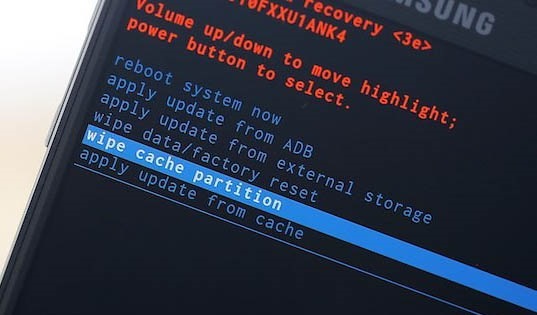
If wiping the cache partition doesn't resolve the soft brick, consider performing a factory reset from Recovery Mode. This reinstalls a clean user data partition and can fix boot issues caused by corrupted settings or apps, but it will erase all data stored on the device. Before proceeding, make sure you've exhausted non-destructive solutions, as recovering lost data afterward may be difficult.
Part 4: Fix Soft Bricked Android Phone by Flashing a New ROM
Flashing a new ROM can help recover a soft-bricked Android phone when corrupted system files, failed updates, or incompatible software prevent the device from booting properly. This method replaces the damaged operating system files with a fresh ROM, allowing the phone to start normally again. However, it requires careful preparation because installing an incorrect ROM or interrupting the process may cause further problems. Here's how:
- Download the correct stock ROM or a trusted custom ROM that matches your exact phone model, region, and Android version.
- Using an incompatible ROM can lead to boot loops or additional system errors.
- Many Android phones require an unlocked bootloader before installing a custom ROM or modified firmware.
- Keep in mind that unlocking the bootloader may erase existing data on some devices.
- Install a recovery environment such as TWRP if your device supports it, or use manufacturer-specific flashing tools like Odin.
- Ensure the required drivers and tools are properly installed on your computer.
- If the phone can still access Recovery Mode, create a backup before flashing.
- A ROM installation may wipe system partitions and remove stored files.
- Boot the device into Recovery Mode or Download/Fastboot Mode.
- Wipe the required partitions, select the ROM file, and start the flashing process.
- Wait patiently until the installation completes and avoid disconnecting the device.
- After flashing finishes, select Reboot System Now.
- The first boot may take several minutes because Android needs to rebuild system files.
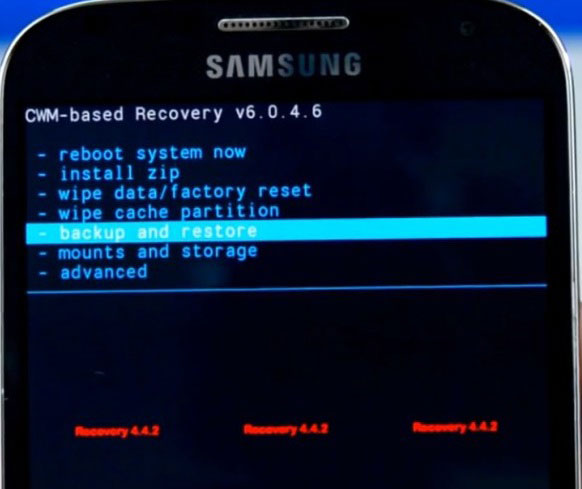
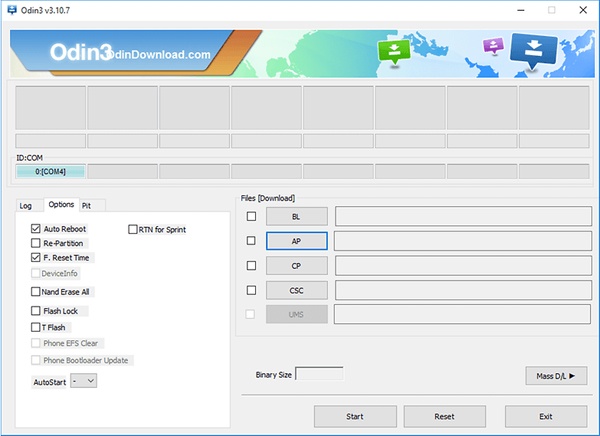
Note: Flashing a new ROM is usually considered an advanced solution for soft-bricked Android phones. If the issue is caused by a damaged system installation, installing the correct stock firmware is often safer than using an unofficial custom ROM.
Part 5: Troubleshoot a Soft Bricked Android Device with TWRP Recovery
Using TWRP Recovery can help repair a soft-bricked Android device by allowing you to clear problematic partitions, restore backups, or install a new ROM when the phone cannot boot normally. This method is useful for issues such as boot loops, being stuck on the startup logo, or system crashes caused by failed modifications. However, it requires that TWRP is already installed and that you have the correct files for your device. Here's how:
- Boot into TWRP Recovery: Turn off your Android device and use the correct key combination (usually Power + Volume buttons) to enter TWRP Recovery.
- Wipe Cache and Dalvik Cache: Open Wipe > Advanced Wipe, select Cache and Dalvik/ART Cache, and swipe to clear temporary files that may cause boot issues.
- Restore a TWRP Backup: If you have a previous Nandroid backup, use the Restore option in TWRP to recover the system, boot, and data partitions.
- Flash a Compatible ROM or Firmware: Use the Install option in TWRP to flash a correct ROM ZIP or firmware package that matches your device model.
- Factory Reset the Device: If other methods fail, perform a factory reset through TWRP to remove corrupted data and restore a clean system environment.
- Reboot the Phone: After completing the repair steps, select Reboot System and wait for Android to start. The first boot may take longer than usual.
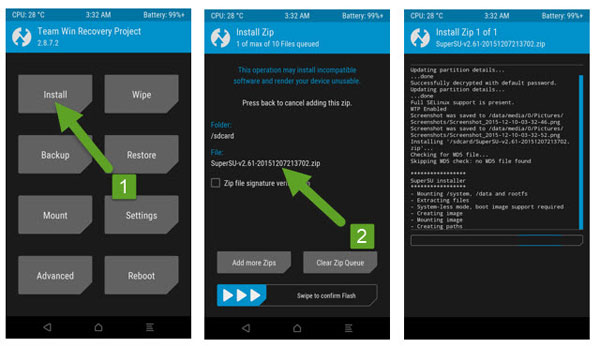
Before making changes in TWRP, create a full backup whenever possible and verify that the ROM or firmware package matches your exact device model. Incorrect files or interrupted flashing may make the soft brick worse.
Part 6: Fix a Soft Bricked Android Device with Android Repair [Expert]
When dealing with Android system problems, Android Repair offers a practical way to fix various software-related issues without requiring advanced technical skills. The program can repair soft-bricked Android phones stuck on the boot logo, trapped in a boot loop, or unable to start normally by reinstalling the correct system components.
It supports many common Android brands and helps resolve problems caused by failed updates, system crashes, or incorrect modifications. With a straightforward repair process, users can restore their devices to a usable state while avoiding complicated manual troubleshooting steps.

Easy steps to fix a soft bricked phone with Android Repair:
Step 1: Launch the repair tool and select System Repair - Open the system repair program on your computer, then go to the "System Repair" section from the main interface. Connect your Android phone via a USB cable and choose "Android Repair" to begin.
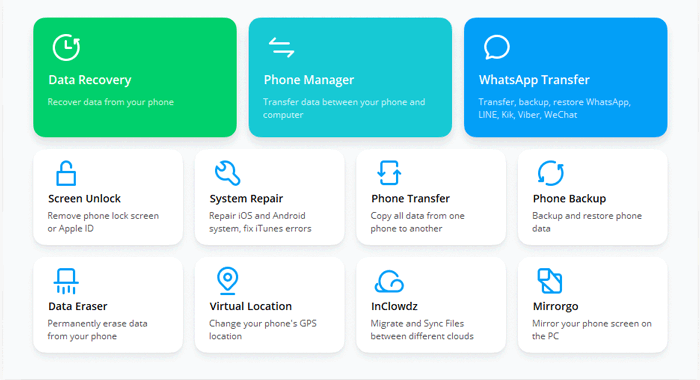
Step 2: Enter device information and prepare for repair - Check the displayed device details, click "Start", enter your phone information, and select "Next". Then type "000000" and click "Confirm" to proceed.
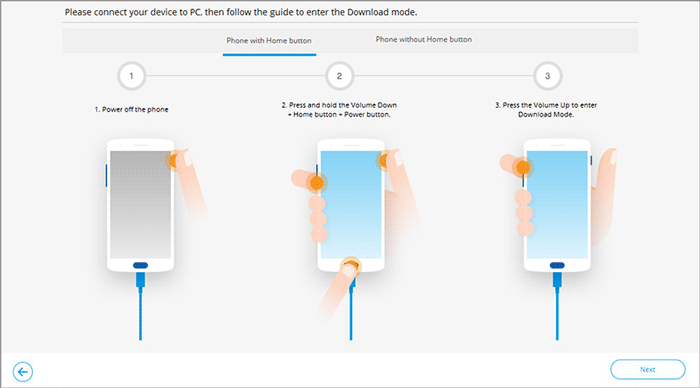
Step 3: Download firmware and complete the repair - Follow the on-screen instructions to boot your phone into Download Mode. The tool will automatically download the matching firmware, and once finished, click "Fix Now" to start repairing the bricked device.
Summing Up
Overall, a soft-bricked Android phone can often be recovered with the right troubleshooting method, depending on the cause and device condition. By following the solutions above, you can repair boot issues and restore your Android phone without immediately seeking professional help.
Related Articles:
[Top 10 List] Want the Best Android Data Recovery Software? See Here
How to Unlock Your Locked Android Phone without Losing Data in 2026?
How to Fix Android Phone Won't Turn on? 16 Practical Solutions
10 Best Android Backup Apps without Root [Most People Don't Know]