
Why Is My iPhone Getting Hot? 9 Proven Ways to Fix It Quickly
TL;DR:
Is your iPhone getting hot unexpectedly during use or charging? This guide explains the main reasons and provides practical solutions to fix the issue quickly and safely.
- Common causes of iPhone overheating such as heavy usage, charging, and environment.
- 8 step-by-step solutions to cool down and optimize your iPhone.
- Advanced system repair method to fix iOS-related overheating issues.
iPhone overheating is a common issue that many users experience during daily use. While it is normal for a device to become slightly warm when running apps or charging, excessive heat can affect performance and battery life. This article explains the main reasons why your iPhone gets hot and introduces practical solutions to fix the issue. From simple adjustments like removing the case to advanced methods such as iOS System Recovery, you will find effective ways to keep your iPhone cool and stable.
Part 1: Why Is My iPhone Overheating?
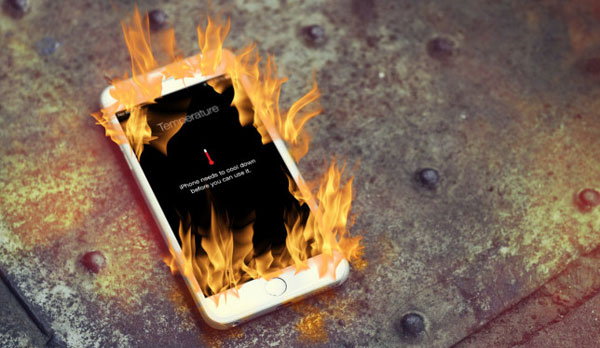
It is normal for your iPhone to get warm during heavy or continuous use. However, in some cases, your device may overheat due to different factors, such as:
- The device is exposed to high environmental temperatures.
- Watching high-quality videos or streaming content for a long time.
- Using processor-intensive apps such as video editors, music production tools, or games.
- Using the device while it is charging.
- Poor battery health or an aging battery. (Your iPhone Battery is Draining Fast?)
Part 2: How to Fix iPhone Getting Hot?
From the above, we can see that iPhone overheating is often caused by heavy usage or processor-intensive applications. You may think the only solution is to stop using these apps for a while, but in fact, there are several effective ways to fix the issue. Let's take a look at them.
Way 1: Avoid Direct Heat
When your iPhone is placed in a high-temperature environment, it can quickly become warm or even hot. Therefore, it is important to keep your device away from direct heat sources, such as a car dashboard. If you are outdoors in hot weather, move your iPhone to a cooler, shaded area and allow it to cool down gradually.
Way 2: Stop Charging Immediately
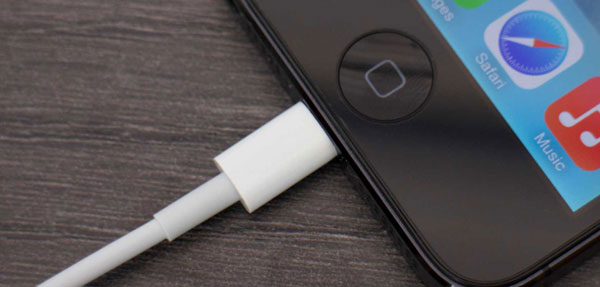
Your iPhone may get warm while charging, as the battery generates heat during the charging process. This is normal to some extent, but excessive heat can be caused by poor ventilation, heavy usage during charging, or low-quality chargers and cables.
To prevent overheating, stop using your device while charging and make sure you are using an original or certified charger. Allow the device to cool down before continuing to use it.
Way 3: Remove the Case
To protect the iPhone from accidental drops or damage, most users use protective cases. However, some cases—especially thick or poorly ventilated ones—can trap heat and contribute to overheating.
In this situation, removing the case can help improve heat dissipation and allow your iPhone to cool down more quickly. Once the device returns to a normal temperature, you can put the case back on for protection.
Way 4: Power Off Your iPhone
Besides external factors, your iPhone may also overheat due to background processes or temporary system overload.
In such cases, the simplest and most effective solution is to restart or power off your device. This can help stop unnecessary processes and allow the system to cool down. (Why Is My Phone Hot and Losing Battery?)
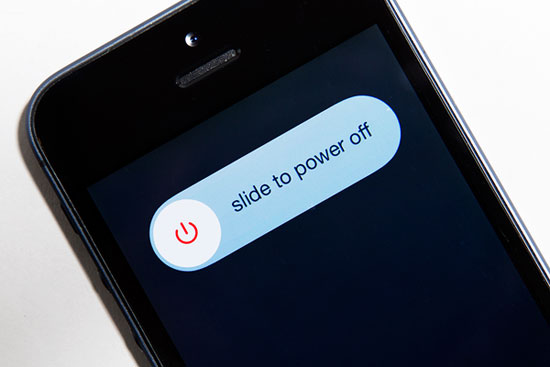
To do this, press and hold the power button until the power slider appears. Then slide it to turn off your iPhone. Wait a few minutes before turning it back on.
Way 5: Disable Personal Hotspot
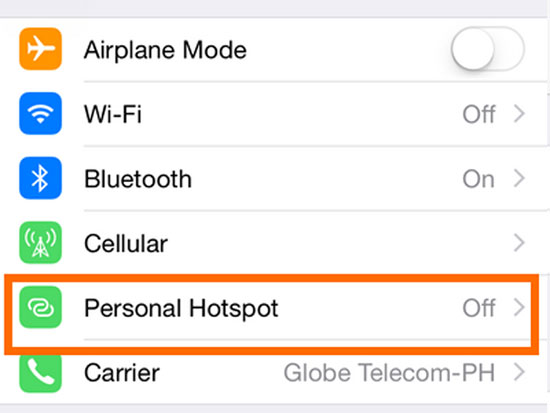
Personal Hotspot allows your iPhone to share its cellular data connection with other devices. However, it can consume a significant amount of power and may cause your device to heat up during extended use.
If your iPhone feels hot, turning off this feature can help reduce the workload on your device.
- Go to "Settings" on iPhone.
- Tap "Personal Hotspot".
- Turn off the toggle next to "Allow Others to Join".
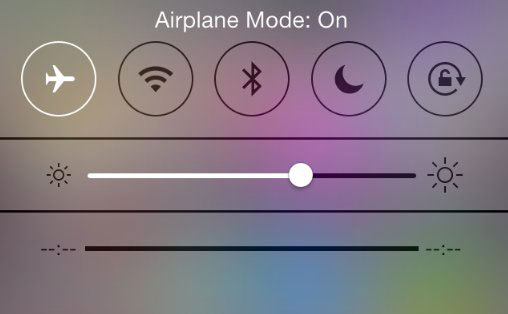
Way 6: Enable Airplane Mode
Airplane Mode disables wireless connections such as cellular data, Wi-Fi, and Bluetooth. This helps reduce background network activity, which can lower power consumption and reduce overheating.
It is a quick way to cool down your iPhone when it becomes too warm.
- Swipe down from the top-right corner to open Control Center.
- Tap the Airplane Mode icon.
- Optionally turn off Wi-Fi and Bluetooth if they remain active.
Way 7: Reset All Settings
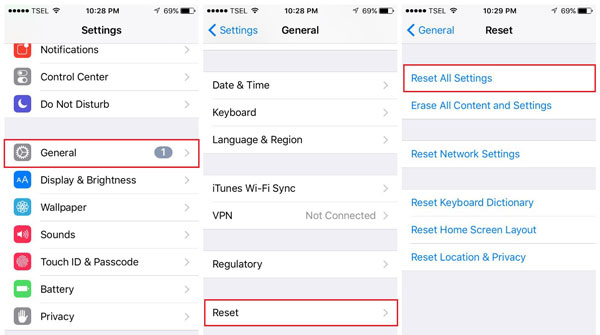
Resetting all settings can help fix various iPhone issues, including overheating problems. This method is safe because it does not erase your personal data, only system settings such as Wi-Fi, preferences, and display settings.
If the previous solutions do not work, you can try this option.
- Go to "Settings" on your iPhone.
- Tap "General".
- Select "Transfer or Reset iPhone".
- Tap "Reset" > "Reset All Settings".
- Enter your passcode and confirm the action.
Way 8: Update iOS to the latest version
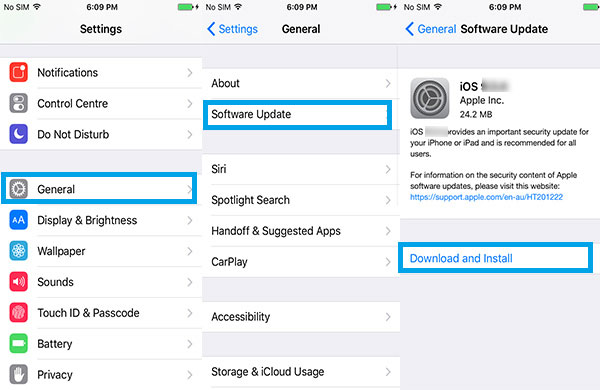
iOS updates often include bug fixes, performance improvements, and system optimizations that may help resolve overheating issues on your iPhone.
Keeping your device up to date ensures better stability and overall performance.
- Go to "Settings".
- Tap "General".
- Select "Software Update".
- If an update is available, tap "Download and Install". (iPhone Software Update Failed?)
Part 3: Use iOS System Recovery to Fix iPhone Overheating Issues
After updating to iOS 27/26, many iPhone users have reported unexpected system issues, such as overheating, lagging performance, or rapid battery consumption. In such cases, standard troubleshooting methods may not always be effective. This is where an iOS System Recovery tool becomes useful, especially for fixing system-related overheating problems.
Using iOS System Recovery, you can repair various iOS system bugs that may cause your iPhone to overheat after an update. It helps restore system stability and improves overall device performance. It supports all iPhone models from iPhone 6 to iPhone 17, ensuring compatibility with both older and newer devices.
Key Features of iOS System Recovery:
- Fix iOS system issues that may cause iPhone overheating without data loss.
- Resolve problems such as system lag, overheating after updates, and performance slowdown.
- Repair iPhone stuck on Apple logo, black screen, and unresponsive device issues.
- Support iPhone 6 to 17 and the latest iOS 18/26/27 versions.
- Improve overall system performance and stability.


If your iPhone starts overheating after an iOS update, you can use iOS System Recovery to repair the system and restore normal device performance.
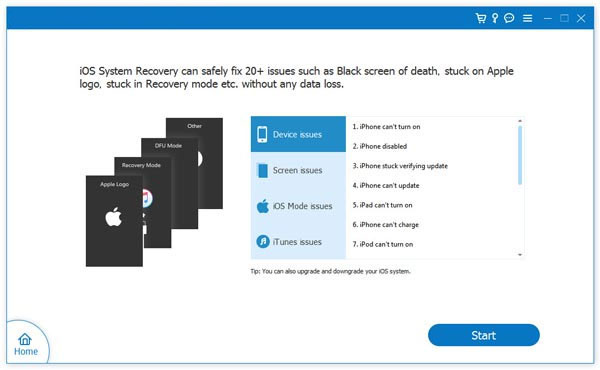
Step 1: Download and install the iOS System Recovery tool on your computer. Launch the program and select "iOS System Recovery" from the main interface.
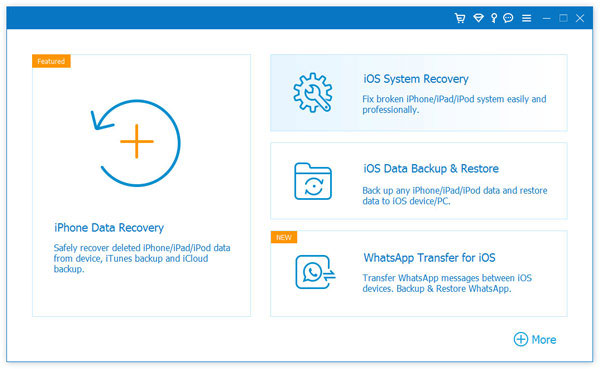
Step 2: Connect your iPhone to the computer using a USB cable. Click "Start" to continue.
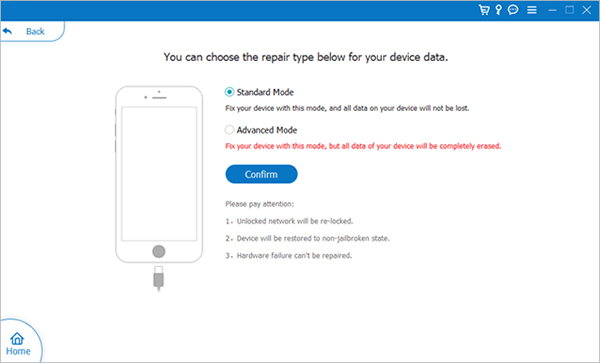
Step 3: Select "Standard Mode" and click "Confirm". This mode helps fix system issues without erasing your data while reducing overheating problems caused by software glitches.
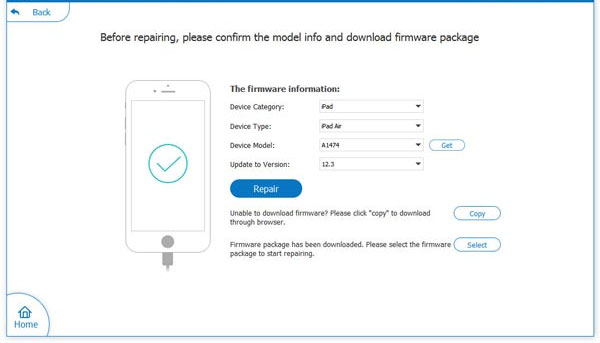
Step 4: Check your iPhone information (model, iOS version, etc.). If everything is correct, click "Repair" to download the firmware and begin the repair process.
After the process is completed, your iPhone will restart automatically. The system will be optimized, and overheating issues caused by software errors should be significantly reduced.
Write in the End
iPhone overheating can be caused by environmental factors, heavy usage, or system issues. Fortunately, most problems can be solved with simple adjustments like stopping charging, removing the case, or enabling Airplane Mode. For deeper system-related issues, using iOS System Recovery is an effective solution. By following these methods, you can keep your iPhone running smoothly and prevent overheating in the future.
Related Articles:
iPhone Died and Won't Turn on While Charging [8 Fixes 2026]
7 Ways to Fix iPhone Won't Turn On After iOS 18/26/27 Update