
Android 17 Update: Tips, Features, Update Methods, and More
TL;DR:
Android 17's release has introduced exciting features but also raised concerns about stability, making Android 16 a reliable alternative for those cautious about upgrading. By weighing key considerations, following update steps, and applying practical tips, users can choose the version that best balances innovation with dependability.
Android 17 was released in mid-2026, first arriving on Pixel devices before expanding to other manufacturers. The update has sparked interest for its new features and also caution due to early bugs.
This article will outline the key considerations users should weigh, highlight the standout features of Android 17, explain how to update to Android 17 or stay on the more stable Android 16, and share practical tips before updating to ensure a smooth experience.
- Part 1: Tips before Performing Android 17 Update
- Part 2: Are There Any Android 17 Developer Previews
- Part 3: What We'd Like to See in Android 17
- Part 4: How to Update to Android 17 Manually
- Bonus 1: Are Pixel Devices Struggling More Under Android 17
- Bonus 2: How to Update Android Version to Android 16
Part 1: Tips before Performing Android 17 Update
Before updating to Android 17, it's smart to prepare your phone so the process goes smoothly and you avoid common pitfalls. Here are five practical tips laid out clearly:
Tip 1: Back Up Your Data
Updates can sometimes fail or cause data loss, so backing up ensures your files are safe.
- Use Google Drive or your phone's built-in backup tool.
- Save important photos, videos, and documents to cloud or a PC.
- Verify backups are complete before proceeding.
Want to back up your Android phone with a professional program? Here's MobiKin Assistant for Android that can keep your Android data safe locally.


Tip 2: Charge Your Device
- A low battery can interrupt the update and cause issues.
- Ensure at least 70% battery before starting.
- Keep the phone plugged in during the update.
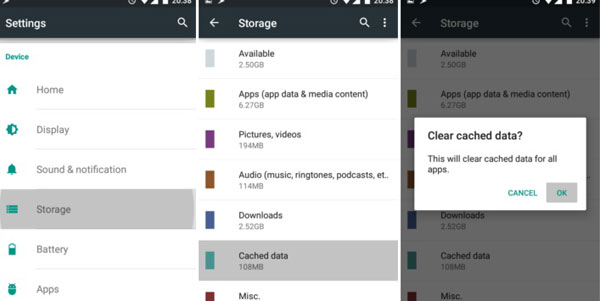
Tip 3: Free Up Storage Space
- Updates require several gigabytes of free space to install properly.
- Delete unused apps or large files.
- Clear cached data from Settings.
- Move media to cloud or external storage.
Tip 4: Check Network Connection
- Connect to a reliable Wi-Fi network.
- Avoid mobile data unless your carrier supports large downloads.
- Stay close to the router during the update.
Tip 5: Verify Device Compatibility
Android 17 is available first on Google Pixel devices (Pixel 6 and newer, plus Pixel Fold and Pixel Tablet), with Samsung, OnePlus, Xiaomi, OPPO, realme, HONOR, and other major brands rolling it out later in 2026.
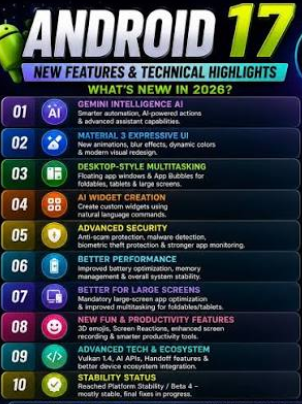
Tip 6: Key Features in Android 17
- App Bubbles: Turn any app into a floating bubble window for multitasking; foldables and tablets get a dedicated bubble bar.
- Screen Reactions: Record your screen and selfie camera simultaneously, overlaying your reactions for tutorials, gameplay, or content creation.
- Foldable Gaming Mode: Optimizes layout and performance for large-screen foldables, improving mobile gaming experiences.
- Privacy Controls: One-time location permissions and stricter app data access rules.
- Anti-Theft Protections: Biometric lock and harder-to-wipe settings to secure lost or stolen phones.
- Memory Limiter: Enforces strict app memory limits to reduce UI stutters and improve performance.
- Independent Assistant Volume: Separate audio stream for Google Assistant, independent of media volume.
- AI Features: Gemini Omni for video generation, Lyria 3 for music creation, expanded Call Screen and Voice Translate.
- Quick Share Expansion: Seamless file sharing with iPhones and across Android devices.
- Pause Point: Anti-doomscrolling feature that nudges users to take breaks.
- Continue On: Lets you switch tasks smoothly between Android devices.
- Ultra HDR & Night Sight for Instagram: Enhanced camera support for social media apps.
You May Also Like: Samsung Phone Not Turning on after Update? Reasons & 8 Solutions
Part 2: Are There Any Android 17 Developer Previews
NO! Android 17 did not have any Developer Previews - it went straight into the Beta program. Google shifted its release cycle starting with Android 13, eliminating the old "Developer Preview" naming and instead launching directly into Beta builds. For Android 17, there were four major Beta releases (Beta 1 through Beta 4, plus a minor Beta 4.1 update) before the final stable release.
Android 17 Release Cycle:
|
Release
|
Date
|
Focus
|
|
Beta 1
|
Feb 13, 2026 |
Early testing, new APIs |
|
Beta 2
|
Feb 26, 2026 |
Feature refinements |
|
Beta 3
|
Mar 26, 2026 |
Platform Stability milestone |
|
Beta 4
|
Jun 2026 |
Final scheduled beta |
|
Beta 4.1
|
Optimized for Samsung devices |
Minor bug fixes |
Part 3: What We'd Like to See in Android 17
Here are four standout features in Android 17 that really capture attention, explained in detail:
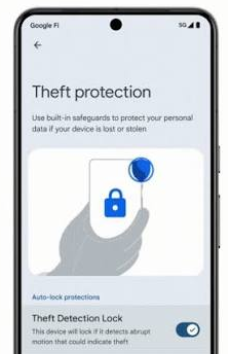
Anti-Theft Protections: Android 17 introduces stronger security with biometric lock requirements and harder-to-wipe settings. If your phone is stolen, thieves can't easily factory reset it, and sensitive data stays protected - a major upgrade for peace of mind.
App Bubbles: This feature lets you turn any app into a floating bubble window, so you can multitask without leaving your current screen. On foldables and tablets, a dedicated bubble bar makes switching between apps even smoother, giving you desktop-like multitasking on mobile.
Screen Reactions: Perfect for creators, this tool records your screen and selfie camera at the same time, overlaying your reactions directly onto tutorials, gameplay, or presentations. It eliminates the need for third-party apps and makes content creation faster and more engaging.
Memory Limiter: This system-level improvement enforces strict app memory limits, reducing lag and UI stutters. It's especially beneficial for mid-range devices, ensuring smoother performance and more consistent multitasking.
These features stand out because they combine productivity (App Bubbles), creativity (Screen Reactions), security (Anti-Theft), and performance (Memory Limiter) - making Android 17 feel like a smarter, safer, and more versatile upgrade.
Part 4: How to Update to Android 17 Manually
Here's a clear step-by-step guide to manually update Android 17 on a Pixel 10 Pro. The same process applies to other Pixel models, but we'll use Pixel 10 Pro as the example device:
- Back up your data: Save photos, files, and app data to Google Drive or using MobiKin Assistant for Android to avoid losing anything during flashing.
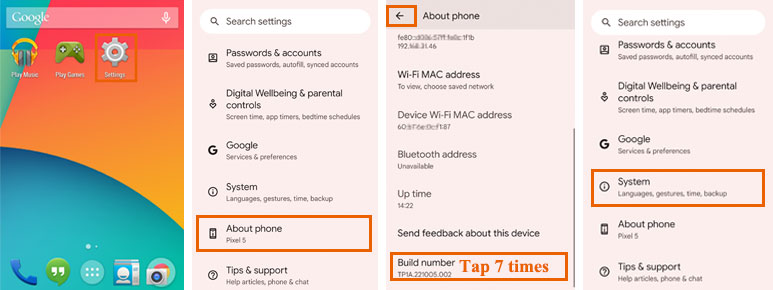
- Enable Developer Options: In Settings > About Phone, tap Build Number seven times, then enable USB debugging and OEM unlocking.
- Install Platform Tools: Download Google's official ADB and Fastboot tools on your computer to communicate with the Pixel 10 Pro.
- Download Android 17 System Image: Get the correct factory image for Pixel 10 Pro from Google's developer site.
- Flash the Update: Connect the Pixel 10 Pro via USB, boot into Fastboot mode, and use either the Android Flash Tool (web-based) or Fastboot commands to install the image.
Click to Learn: What if the Android 17 update failed? Here are the 10 proven solutions.
Bonus 1: Are Pixel Devices Struggling More Under Android 17
Yes - some Pixel devices are struggling under Android 17, with issues like erratic touchscreens, 5G dropping to LTE, disappearing widgets, and a broken home screen search bar. Fortunately, there are workarounds and fixes you can try right now:
- Touchscreen issues > Clear Pixel Launcher cache, reboot in Safe Mode, or disable triple-tap zoom.
- 5G dropping to LTE > Reset mobile network settings.
- Widgets disappearing > Toggle Extreme Battery Saver or Focus Mode.
- Broken search bar > Uninstall and reinstall work profile.
Bonus 2: How to Update Android Version to Android 16
If you don't want to risk possible bugs in Android 17, you can safely upgrade to Android 16 instead. Here's a clear step-by-step guide to update your phone (e.g., Google Pixel 9) to Android 16.
- Back up your data: (As we just mentioned above).
- Check eligibility: Pixel 5 and newer (including Pixel 9) are supported, with other brands rolling out later.
- Update via OTA: On Pixel 9, go to Settings > System > Software Update > Check for update and install Android 16 if available.
- Use Android Flash Tool: If OTA isn't available, download the Android 16 system image for Pixel 9 from Google's developer site and flash it manually using the web-based tool.
- Reboot and verify: Restart Pixel 9, then check Settings > About Phone > Android Version to confirm Android 16 is installed.
In the End
Given Android 17's mid-2026 release with innovative features like App Bubbles and Screen Reactions, users should carefully weigh these enhancements against early stability issues on Pixel devices. Ultimately, the decision comes down to prioritizing either cutting-edge multitasking and security or the proven reliability of Android 16.
Related Articles:
How to Recover Deleted Files on Android Device? 7 Effortless Ways
iOS 27/26 Update: Release Date, Compatibility, Features, Updates, & Troubleshooting
How to Disable Android OS Update Notification? Details & Q&A
Top 11 Android Flashing Software for PC/Mac You Wish You'd Known Sooner