
[2026 Guide] How to Connect iPhone to iTunes with or without USB Cable
TL;DR:
Looking for the easiest way to connect your iPhone to iTunes? This guide covers everything you need to know:
- Check the necessary preparations before connecting your iPhone to iTunes.
- Learn how to connect iPhone to iTunes using a USB cable step by step.
- Find out how to connect iPhone to iTunes wirelessly over Wi-Fi.
- Discover how to connect and manage your iPhone without iTunes.
- Fix common issues when your iPhone cannot connect to iTunes.
Want to connect your iPhone to iTunes but don't know where to start? Whether you need to back up your iPhone, sync files, or manage your device, connecting it to iTunes is a useful skill. However, issues like connection failures or iTunes not recognizing your iPhone can sometimes make the process frustrating. In this guide, we will show you how to connect iPhone to iTunes with a USB cable, use Wi-Fi syncing, connect without iTunes, and fix common connection problems.
Part 1: Things to Know Before Connecting iPhone to iTunes
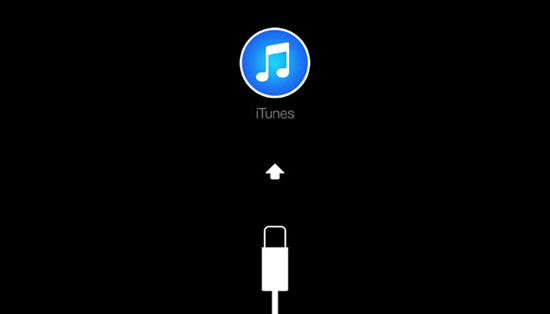
Before connecting your iPhone to iTunes, it is important to make a few preparations. This can help avoid connection failures and ensure that iTunes detects your device smoothly.
- Install the latest version of iTunes. Make sure iTunes is updated to the newest version, as an outdated version may prevent your iPhone from being recognized properly.
- Prepare a reliable USB cable. If you want to connect your iPhone with a cable, use an original Apple cable or an MFi-certified cable to avoid connection issues caused by damaged or incompatible cables.
- Unlock your iPhone and trust the computer. When connecting your iPhone to a computer for the first time, tap "Trust This Computer" on your iPhone and enter your passcode to allow access. (Forgot iPhone Passcode?)
- Check your devices before connecting. Ensure your iPhone has enough battery, your computer works properly, and the USB port is available to make the connection process smoother.
Once these preparations are complete, you can connect your iPhone to iTunes using a USB cable or Wi-Fi.
Part 2: How to Connect iPhone to iTunes with a USB Cable
Connecting your iPhone to iTunes with a USB cable is the most common and reliable method. It allows you to sync data, create backups, restore your device, and manage your iPhone content directly from your computer. Follow the steps below to connect your iPhone to iTunes.
Way 1: Connect iPhone to iTunes on Windows PC
If you are using a Windows computer, you can connect your iPhone to iTunes with these steps:
- Download the latest version of iTunes from the Apple website, then launch the program.
- Use a USB cable to connect your iPhone to your PC. Unlock your iPhone and tap "Trust" when the "Trust This Computer" prompt appears.
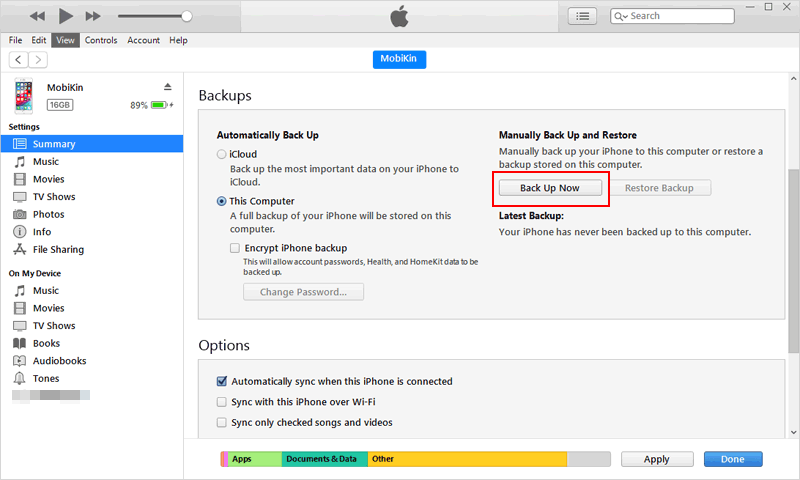
- After iTunes detects your device, click the iPhone icon in the upper-left corner of the iTunes window.
- You can now back up your iPhone, sync music and videos, update software, or restore your device through iTunes.
Way 2: Connect iPhone to iTunes on Mac
For Mac users running macOS Mojave or earlier, iTunes is still available for managing iPhone data. Here's how to connect your device:
- Open iTunes and make sure it is updated to the latest version.
- Plug your iPhone into your Mac and unlock the device. Tap "Trust This Computer" if prompted.
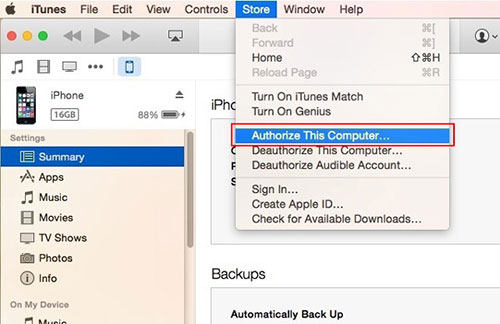
- Click the iPhone icon that appears in iTunes to access your device information.
- You can use iTunes to back up, sync, update, or restore your iPhone as needed.
Note: If you are using macOS Catalina or later, Apple has replaced iTunes with Finder. You can connect your iPhone to your Mac through Finder to manage backups and syncing instead.
Part 3: How to Connect iPhone to iTunes Wirelessly over Wi-Fi
If you don't want to connect your iPhone to your computer with a USB cable every time, you can use iTunes Wi-Fi syncing instead. This feature allows you to connect your iPhone to iTunes wirelessly as long as both devices are connected to the same Wi-Fi network.
However, you need to connect your iPhone to iTunes with a USB cable at least once to enable Wi-Fi syncing. After that, you can sync your iPhone without using a cable. Follow these steps to connect your iPhone to iTunes over Wi-Fi:
- Open iTunes on your computer and connect your iPhone using a compatible USB cable. Unlock your iPhone and tap "Trust This Computer" if prompted.
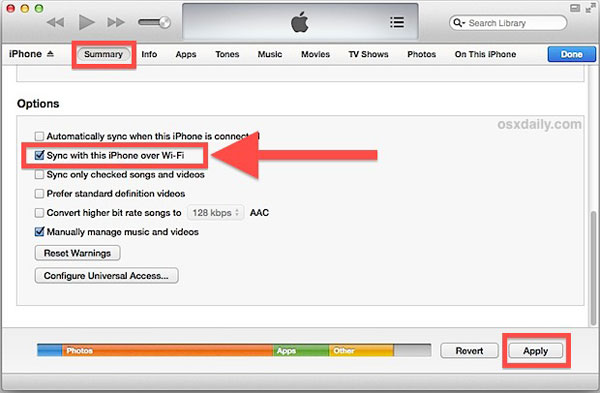
- Click the iPhone icon in iTunes, go to the "Summary" page, and check the option "Sync with this iPhone over Wi-Fi". Then click "Apply" to save the changes.
- After enabling Wi-Fi syncing, safely unplug your iPhone from the USB cable.
- Make sure your iPhone and computer are connected to the same Wi-Fi network. Open iTunes, and your iPhone should appear automatically. You can then sync music, videos, and other content without a cable.
Although Wi-Fi syncing is convenient, it may be slower than a wired connection, especially when transferring large amounts of data. If you need to back up or transfer a lot of files, using a USB cable is usually a faster and more stable option.
Part 4: How to Connect iPhone to Computer without iTunes
Although iTunes is an official way to manage iPhone data, it is not always the most convenient option. Many users find iTunes complicated, especially when they only want to transfer files, back up data, or manage specific content without syncing the entire device. In this case, a third-party iPhone management tool like MobiKin Assistant for iOS can be a useful alternative.
MobiKin Assistant for iOS allows you to connect your iPhone to a computer without relying on iTunes. It helps you transfer, manage, and back up different types of iPhone data with a simple interface. Unlike iTunes, it lets you preview and select specific files before transferring, giving you more control over your data.
Key Features of Assistant for iOS:
- Connect iPhone to Windows PC and Mac via USB, without using iTunes.
- Move photos, music, videos, contacts, messages, and more between iPhone and computer.
- Add, delete, edit, and export different types of iPhone data from your computer.
- View your data first and choose exactly what you want to transfer.
- Compatible with many iPhone and iPad models and iOS versions.


Steps to Connect iPhone to Computer without iTunes:
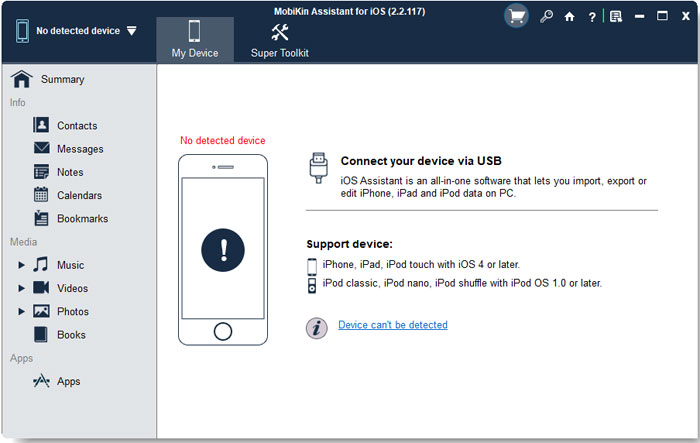
Step 1: Download and install MobiKin Assistant for iOS on your computer. Use a USB cable to connect your iPhone to the computer. Unlock your iPhone and tap "Trust" when the "Trust This Computer" message appears.
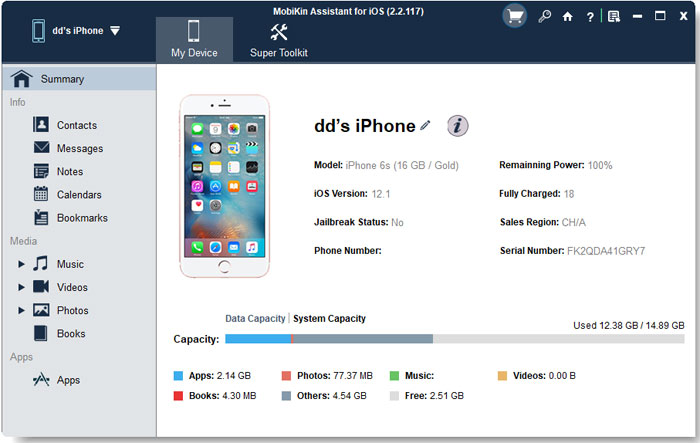
Step 2: Once connected, the software will display your iPhone information on the main interface. Select categories such as Photos, Music, Contacts, Messages, Videos, or other files from the left sidebar.
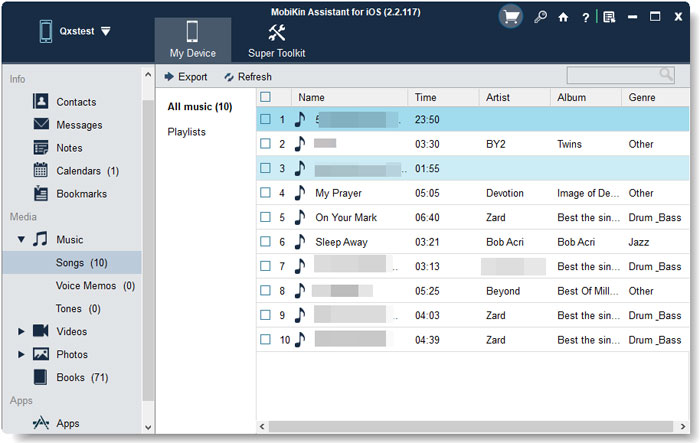
Step 3: Preview the selected files, then click the corresponding button to export, import, add, delete, or back up your data.
Video Guide:
Part 5: How to Fix iPhone Not Connecting to iTunes
Sometimes, you may find that your iPhone cannot connect to iTunes even after following the correct steps. This issue can happen due to various reasons, such as an outdated iTunes version, faulty USB connections, driver problems, or incorrect settings. Try the following solutions to fix the iPhone not connecting to iTunes issue.
Fix 1: Check the USB cable and connection
Make sure your USB cable is not damaged and is properly connected. You can also try another cable or USB port to rule out connection problems.
Fix 2: Update iTunes to the latest version
An outdated version of iTunes may not recognize newer iPhone models. Check for available updates and install the latest version before reconnecting your device. (iPhone Requires a Newer Version of iTunes?)
Fix 3: Trust the computer again
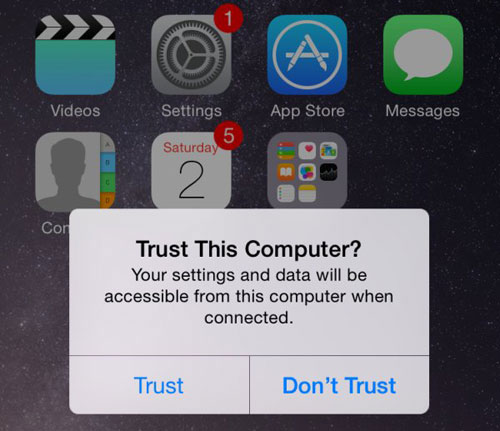
If you accidentally denied access before, your iPhone may not connect properly. Go to "Settings > General > Transfer or Reset iPhone > Reset > Reset Location & Privacy", then reconnect your device and tap "Trust" when prompted.
Fix 4: Restart your iPhone and computer
A simple restart can fix temporary software glitches that prevent iTunes from detecting your iPhone.
Fix 5: Update Apple drivers (Windows only)
If you are using a Windows PC, outdated or missing Apple Mobile Device USB drivers may cause connection issues. Updating or reinstalling the drivers can help iTunes recognize your iPhone.
Fix 6: Try another computer
If iTunes still cannot detect your iPhone, connect it to another computer to check whether the issue comes from your device or the computer.
If none of these solutions fix the problem, you can visit our detailed guide on how to fix "iTunes could not connect to this iPhone" for more troubleshooting methods and step-by-step solutions.
Words in the End
Connecting your iPhone to iTunes is a simple process once you choose the right method. You can connect your device with a USB cable, enable Wi-Fi syncing for a wireless connection, or use an iTunes alternative like MobiKin Assistant for iOS to manage your data more flexibly. If iTunes fails to recognize your iPhone, try the troubleshooting solutions mentioned above. With the right approach, you can easily connect your iPhone to a computer and manage your data without hassle.
Related Articles:
[Guide] How to Transfer Playlist from iTunes to iPhone
How to Access & View iTunes Backup Files on PC/Mac